
What Good Support Looks Like: Inside Supported Independent Living for Families
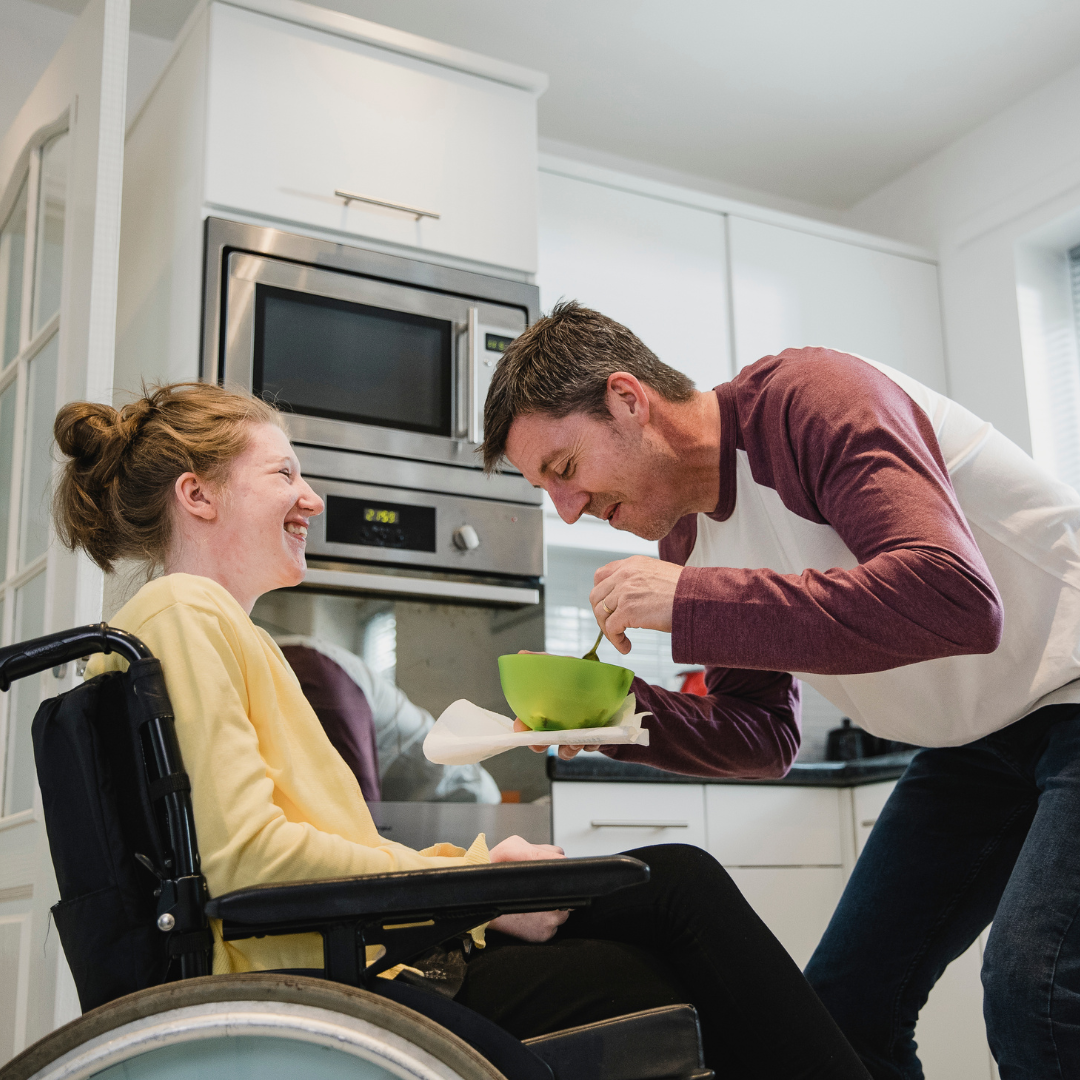
Moving into Supported Independent Living (SIL) works best when support is centred on the person and their unique story.
That story includes cultural identity, language, beliefs, routines, and family, all of which shape what it means to feel safe, respected, and truly at home.
That's why the transition period matters so much. It's often in the first few weeks, when routines are new and people are still getting to know each other, that the small details make the biggest difference.
For many families, there comes a moment when the question feels overwhelming: "Who will care for my loved one when I no longer can?"
Real Lives, Real Stories
For Wayne's mum, this worry never really went away. She wanted more than safety. She wanted a secure, supportive home where Wayne could live with dignity, independence, and a sense of belonging.
When she passed, Wayne's sister carried that wish forward. Together, they began exploring Supported Independent Living (SIL), an NDIS home and living support designed to provide 24/7 assistance while encouraging independence.
Change wasn't easy for Wayne. Leaving the only home he had ever known felt daunting. The move to SIL took nine months of gradual planning, conversations, and building trust.
The key was simple, listening to Wayne's personal preferences, routines, and family values and focusing the transition built on understanding.
His support team worked alongside him to ensure his new home reflected who he is, respecting his daily routines, beliefs, encouraging choice and control, and creating a safe environment where he felt understood.
Over time, uncertainty turned into acceptance. Wayne moved into his BCD Supported Independent Living home, decorated his own space, built new routines, and began sharing a home with a compatible housemate. Today, he is building confidence, working toward personal goals, and enjoying greater independence with a dedicated care team around him.
His sister Karen shares, "Mum would be proud to see the independence Wayne has gained and the goals he's working towards."
Supported Independent Living is more than accommodation. It provides:
24/7 support in a shared home environment
Personalised daily living assistance
Respect for cultural, family and individual preferences
A pathway to greater independence and community participation
For families, it offers peace of mind.
For participants, it creates stability, dignity and opportunity.
If your family is starting to think about the future, exploring NDIS Supported Independent Living options early can make the transition smoother and more empowering. We're here to have that conversation when you're ready. Our Respite, Short-term Accommodation and Supported Independent Living give families a much-needed break while helping live more independently and feel connected to a supportive community.
What good support looks like (from the inside)
From a family perspective, 'good support' goes beyond the basic tasks. It means seeing your loved one treated with respect and feeling safe, comfortable and listened to.

Feeling heard: Support workers take time to understand the person's preferences, including tailored routines, food and personal care. They ask questions rather than assume.
Respecting routines: Daily routines, including personal times, meal times and sleep schedules, are followed consistently. Staff understand why certain practices are important to the family's cultural identity.
Clear communication: Your support team checks understanding and arranges for interpreters where needed.
Skill building: SIL is meant to help build skills. Good support encourages small steps towards independence, such as practising cooking or using public transport, with patience and encouragement.
Involving family: Families are valued as partners. They are invited to share cultural information and are kept up to date about changes or challenges.
At BCD, one of the things we hear often from families and carers considering a new provider is how unsettling it can feel when support workers keep changing. It's hard for your loved one to build trust, feel comfortable, or make progress towards their goals when they're constantly having to reintroduce themselves, and when important cultural routines or communication preferences can get missed.
That's why our model of care takes a different approach by wrapping a village of care around each person's needs.
We match your loved one's needs to a consistent care team, including an Accommodation Support Coordinator as the key contact. As your support team, your Care Circle provides reliable support by a team who understands your story.
The Good, The Bad, The Ugly - consistent staff vs rotating staff
Finding The Right Fit
Choosing a Supported Independent Living (SIL) provider is a big decision. Beyond funding and paperwork, what matters most is how support feels day to day. Whether your loved one is treated with respect, whether staff follow through on the small details, and whether communication is clear and consistent.
The tricky part is that providers can sound similar on a website, but the lived experience can be very different. That's why it helps to know what to look for early, both the positive signs that suggest a provider will be a good long-term fit, and the warning signs that something may not be right. Here are some practical green flags and red flags to guide your conversations and visits.
Here are some things to look out for when you're looking for a SIL provider:
✅ Green flags
Care workers greet your loved one by name and pronounce it correctly.
Staff are aware of personal and cultural routines without constant reminders.
Interpreters or bilingual staff are available when needed.
A core team of workers provides most support, new workers are introduced with a proper handover.
Providers ask for family input and update you regularly.
🚩 Red flags (warning signs)
Limited transparency about staffing or costs
No opportunity to meet housemates
Vague answers about goals or independence
Staff have little familiarity or lack of understanding of who they are supporting.
Staff ignore or dismiss personal routines or cultural traditions.
You notice frequent new faces without any introduction.
Lack of clear communication processes, communication feels rushed, and staff use complex jargon without checking understanding.
You feel like you are reexplaining important information every week.
Questions to ask providers
Here's a checklist of questions to help you compare SIL providers and choose the right fit for your loved one.
🏡 The Home & Environment
Where is the SIL home located?
Is it close to family, community, shops, transport or day programs?
How many people live in the home?
Can we meet potential housemates?
Can the participant personalise their room?
What is the process if the home isn't the right fit?
👥 Staffing & Support
Is support provided 24/7? (Active overnight or sleepover?)
What are the staff-to-participant ratios?
Are staff experienced in supporting similar needs?
How do you match staff to participant preferences?
How do you support cultural, religious or personal routines?
What training do staff receive?
🧭 Daily Living & Independence
How do you encourage independence and skill development?
How are daily routines decided?
How much choice does the participant have in meals, activities and schedules?
How are goals documented and reviewed?
How do you support community access and social participation?
📋 NDIS & Funding
Is the provider registered with the NDIS?
How is SIL funding structured and billed?
What happens if funding levels change?
Are there additional costs outside the NDIS plan?
❤️ Communication & Family Involvement
How do you communicate with families and support coordinators?
Are there regular case reviews or meetings?
What happens in an emergency?
How are incidents reported?
How do you handle feedback or complaints?
🔄 Transition & Compatibility
What does the transition process look like?
Can we do trial stays or short visits first?
How long does onboarding typically take?
How do you manage compatibility between housemates?
Need Help?
If you're exploring SIL and want to understand how our team could support your loved one, get in touch for a chat, call or request a tour of our BCD accommodation homes.
Call the BCD team on 1800 275 223, or via our online contact form, we're here to help you.
Our Respite, Short-term Accommodation and Supported Independent Living give families a much-needed break while helping live more independently and feel connected to a supportive community.
FAQs
We've collected some of the most common questions we hear on our FAQs page.
1. What is supported independent living?
Supported independent living (SIL) is paid personal support to help you live in your home. It includes help or supervision with daily tasks like personal care or cooking meals and aims to help you live as independently as possible and build your skills.
3. What kind of help does SIL include?
SIL may include support with personal care, help to build skills in cooking, cleaning and developing routines, building social skills, assisting with medication and getting to medical appointments.
4. Can I get SIL if I live on my own?
Yes. You can receive SIL whether you live with other NDIS participants or on your own. However, the NDIA will consider whether SIL is the best option or whether other home-and-living supports might suit you better.
5. How do I know if SIL is suitable for me?
SIL may be suitable if you need significant person to person support, including disability support for more than eight hours per day and some level of support for the remaining hours. The NDIA will also consider your goals, your current living situation and whether you can share support with others.
6. Does the NDIS support people from culturally and linguistically diverse backgrounds?
Yes. The NDIA's Cultural and Linguistic Diversity Strategy commits to ensuring that providers consider language, culture, gender and religion when providing supports. The NDIA makes information about the NDIS accessible in multiple languages and formats and will engage interpreters when needed.
Sources
Visit the NDIS website for the most up to date information: https://www.ndis.gov.au/
NDIS Guidelines: https://ourguidelines.ndis.gov.au/supports-you-can-access-menu/home-and-living-supports/supported-independent-living