
Behind the Scenes: A Day in the Life of a BCD Registered Nurse
For a BCD Registered Nurse working in the community, no two days ever look quite the same.
One day might involve supporting a customer with wound care, another might be a clinical assessment following a hospital stay, while another could simply begin with noticing that someone seems a little different from the last visit. And sometimes, it’s those little things that make the biggest difference.
“I love being a nurse. It brings me so much joy being able to help our customers and support our team.” RN Kim
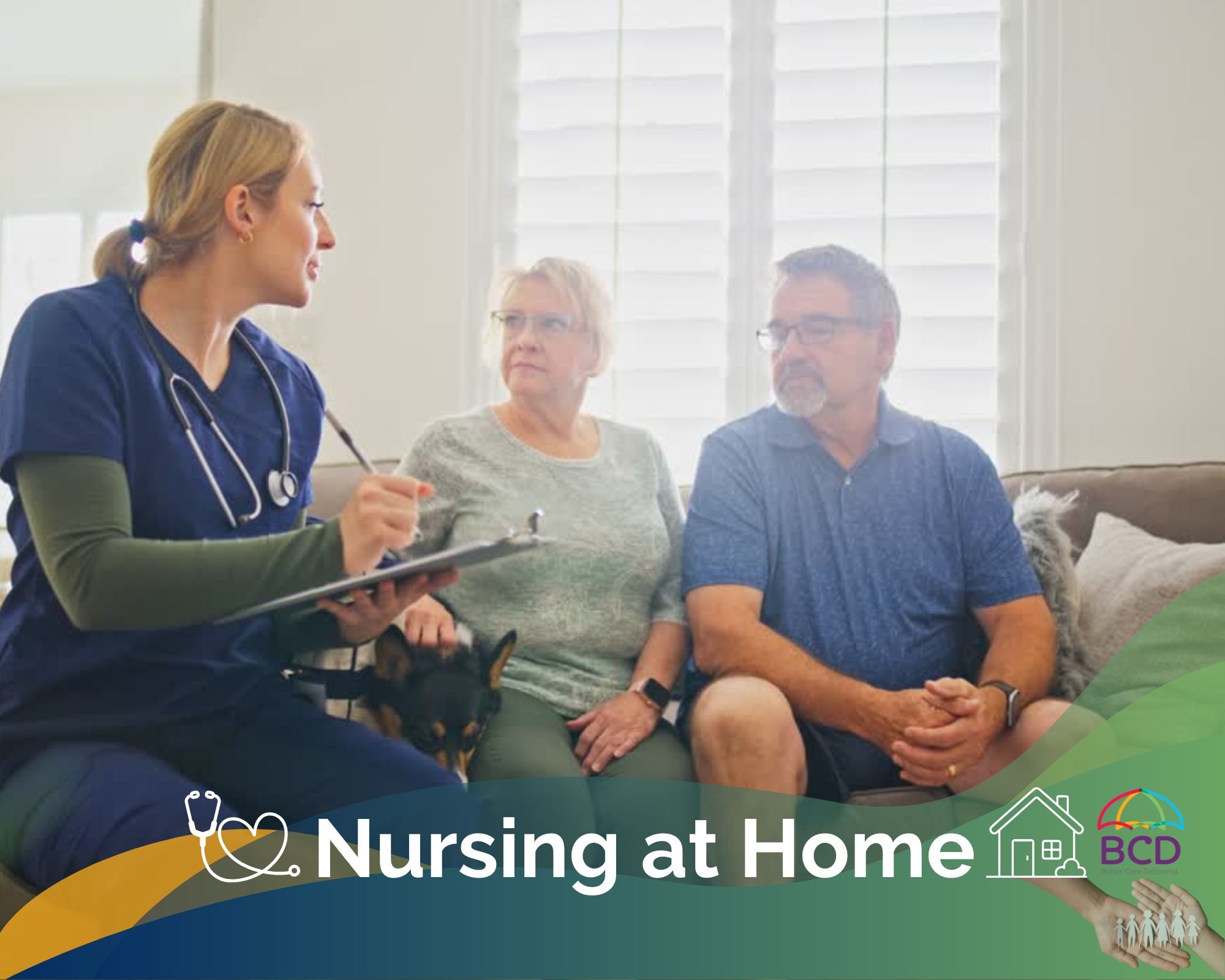
At the heart of community nursing is a simple goal, helping people remain safe, healthy and as independent as possible in their own homes.
Starting the day
Before heading out into the community, the day begins by reviewing scheduled visits and checking for any clinical updates or concerns raised by the wider BCD team. Then it’s time to pack the nursing bag, make sure everything needed for the day is ready and head out on the road.
From there, the day can take our nurses into homes across the community, providing personalised clinical care in the place where customers often feel most comfortable — their own home.
Working in someone’s home creates an opportunity to understand much more than their clinical needs. It means getting to know the person, their family, their routines and what matters to them.
Listening is an important part of that. Every customer should feel comfortable to have a voice in their care, ask questions and be involved in decisions about their health and support. Trust and respect are where good community nursing begins.
Nursing care, right at home
During a home visit, a BCD nurse may complete a comprehensive nursing assessment, check vital signs, provide wound care, undertake continence or catheter care, review medications or assess a customer’s skin integrity, mobility, nutrition and hydration. But community nursing is about much more than completing a clinical task. Our nurses are always looking at the bigger picture.
How is the customer moving around their home? Are they eating and drinking normally? Is their skin healthy? Are medications being taken correctly? Has their confidence changed? Are everyday activities becoming harder?
These observations help our nurses identify risks early and put the right support in place before a small concern has the opportunity to become something more serious.
Care plans and risk assessments can then be developed or updated, and practical education provided to the customer, their family and the BCD care team.
This is preventative healthcare in action, supporting people before they reach a crisis point. The little things that can make a big difference Sometimes, one of the most important things a community nurse can notice is simply:
“They’re not quite themselves today.”
It could be an increase in falls, reduced appetite, drinking less than usual, a change in skin condition or a new wound.
It might be increased pain, tiredness or shortness of breath. Perhaps medication isn’t being taken correctly, or there has been a change in mood, behaviour, cognition or someone’s ability to manage everyday activities. Individually, these changes might seem small. But because our nurses build relationships with customers and understand what is “normal” for them, they can often recognise when something has changed.
Responding early may mean contacting a GP, arranging further assessment, reviewing medication, organising additional supports or putting a new clinical plan in place. That early intervention can help prevent a health issue from becoming more serious and, importantly, may help avoid an unnecessary hospital presentation or readmission.
The work you don’t always see
A home visit may finish when the nurse walks out the front door, but the nursing care often continues behind the scenes.There may be a GP to contact, a hospital discharge summary to review, a pharmacy to speak with or a referral to organise.
Our nurses regularly work alongside GPs, hospitals, specialists, pharmacies and allied health professionals to help ensure everyone involved in a customer’s care is connected. They may coordinate appointments, follow up outstanding clinical concerns, update families where appropriate, review clinical information and make sure care plans and risk assessments reflect the customer’s current needs. They also support BCD care staff with education and guidance when a customer has specific clinical requirements.
And when a customer needs extra services, equipment or support, our nurses can advocate on their behalf and help connect them with the right people. This coordination becomes particularly important when someone returns home from hospital.
Following up after a hospital admission allows our nurses to check how the customer is recovering, identify any new risks or changes in care, clarify medications and make sure the right supports are in place. It’s all part of helping customers recover safely at home and reducing the risk of returning to hospital.
More than clinical care
Ask a community nurse what they enjoy most about their job and the answer often has very little to do with procedures or paperwork.
It’s the people.
It’s getting to know customers and hearing their stories.
It’s providing one-on-one care without rushing.
It’s building relationships with customers and families and watching someone’s health, confidence or independence gradually improve.
It’s knowing that noticing one small change may have prevented a much bigger problem.
And it’s helping someone continue living where they feel most comfortable and connected at home.
For our BCD nurses, sometimes the greatest reward is much simpler. Seeing a customer smile. Hearing, “Thank you.” And knowing that the care provided that day has helped someone feel safer, heard and supported.
Those moments are priceless.
At BCD, nursing at home is about combining clinical expertise with genuine human connection. By listening, observing, educating and responding early, our nurses help customers manage their health, prevent complications and maintain greater independence in their everyday lives. Because sometimes the best healthcare isn’t about treating something once it has gone wrong.
It’s noticing the little things early enough to help keep things going right.
Need Help?
If you have questions about Support at Home or need help navigating aged care services, our friendly BCD Care team is here to help.
Give us a call on on 1800 275 223 or get in touch through our contact form and we'll call you straight back. We're here to help!
Sources:
Department of Health, Disability & Aging https://www.health.gov.au/news/personal-care-to-be-fully-funded-under-support-at-home-from-october
My Aged Care Support At Home
https://www.myagedcare.gov.au/support-at-home
Information correct as at 24 September 2026. Please refer to the My Aged Care website for the latest updates.
The information provided in this blog post is for informational purposes only and should not be considered as legal, financial, or professional advice. While we strive to ensure the accuracy of the content, we encourage you to visit the relevant government websites for the most up-to-date and official information.