
End-of-Life Care at Home: Building on What Matters
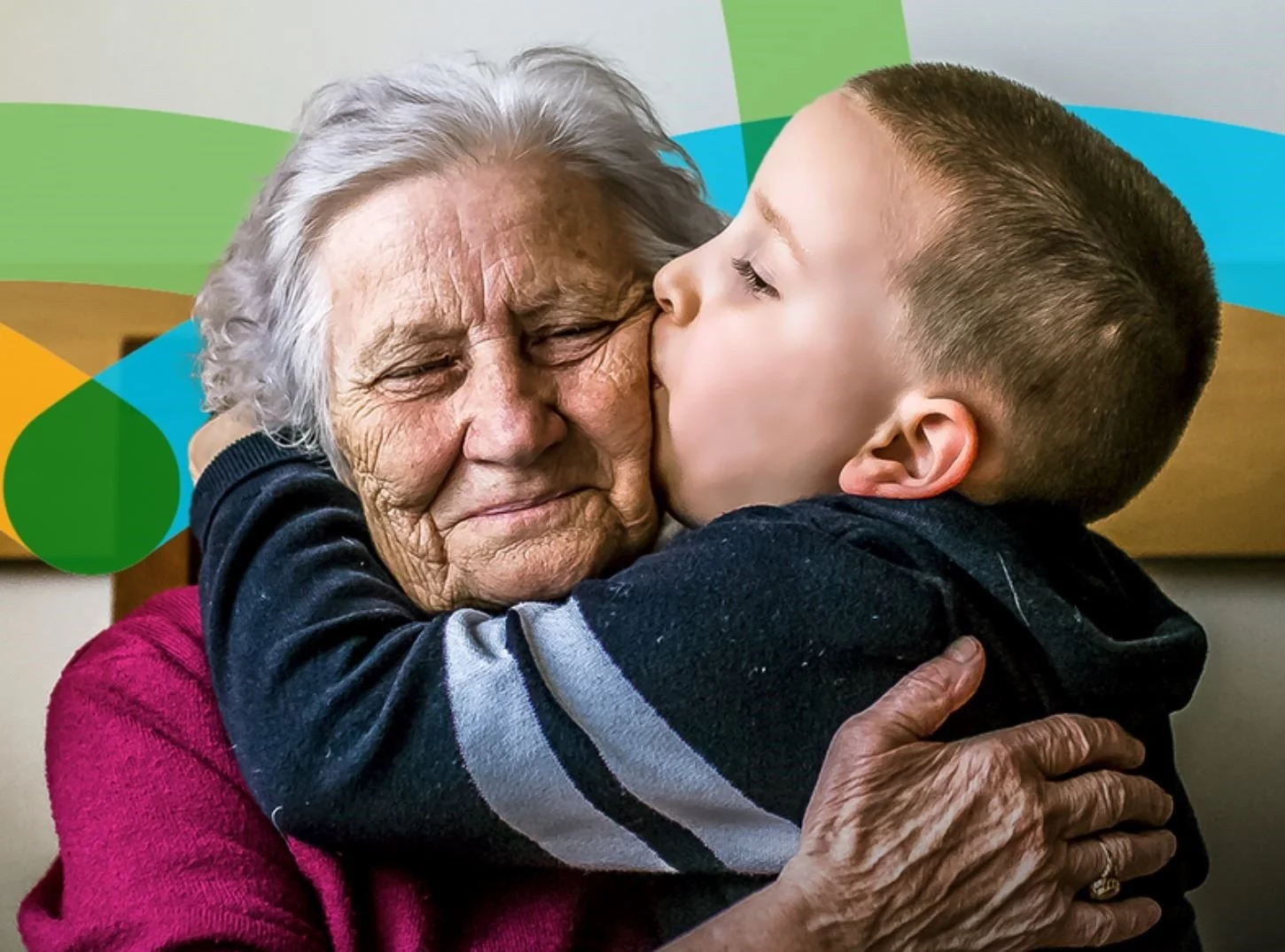
Across this blog series, we have come back to one central idea, that end-of-life care at home needs compassion, but it also needs strong practice behind it.
For families, carers and older people, this stage of life is deeply personal and complex. That is why this work matters.
As we wrap up our series focussing on moving through end of life and what that looks like for families, this final post reflects on how we are continuing to build our end-of-life care approach through best practice and continuous learning.
It is also a chance to share how our participation in the ELDAC Linkages Program has supported that work.
Why stronger end-of-life care at home matters
Good end-of-life care at home does not happen through goodwill alone.
It depends on shared understanding, careful planning, confident teams and clear communication across the people involved. It also depends on providers having the systems and support to review what they are doing and strengthen practice over time.
That is why this work matters so much to us. We are proud to be participating in the ELDAC (End of Life Directions for Aged Care) Linkages Program, a sub-program of End of Life Directions for Aged Care, a nationally funded mentoring program by the Australian Government Department of Health to develop and support palliative care and advance care planning in aged care.
For us, this program is helping build the knowledge, systems and confidence needed to better support people who wish to pass at home.
For many people, home is where they most want to be when they need the greatest care and support. Being able to remain in familiar surroundings, with trusted people nearby, can make a meaningful difference. That is why stronger, more consistent end-of-life care at home matters, not only for the person receiving care, but also for the family, carers and providers supporting them.
We have seen just how important that can be in the lives of the people we support.
When Mrs P, one of BCDs customers was told that her illness was progressing, her one wish was simple, she wanted to stay home. She wanted to be surrounded by her family, familiar sounds and smells of the place she loved.
With the right support, she did just that. Together with her care team, including BCD clinical nursing team, her doctors, and her family, Mrs P created a plan that helped her remain comfortable, cared for, and connected until the very end.
She passed peacefully, on her terms and in her own way at home, surrounded by love, in the place she felt most herself with the people who mattered most, her family.
Stories like this remind us why strong end-of-life care at home matters, and why it is so important to keep building the knowledge, systems and care that support it.
Building on the foundation - three goals, one shared direction
This work has been built on the care, experience and values already guiding our team.
Our dedicated end-of-life palliative care team includes a clinical nursing team and care workers trained in person-centred care.
Through our Clinical Nursing Care at Home service, we work closely with each person, their doctor, their allied health team and their loved ones to shape care around what matters most to them. That includes their wishes, their culture and the comfort of familiar surroundings. Whether support is needed for a single visit, a short period, or on an ongoing basis, the focus is on helping older people receive the care they need in the comfort of their own home.
Participation in the ELDAC Linkages Program has helped us build on that existing foundation. It has given us a way to deepen knowledge across the team and continue strengthening best practice across the organisation. From that work, three goals have helped shape our focus.

Goal 1: Strengthening service delivery
The first goal has focused on strengthening the way we deliver person-centred end-of-life care.
This matters because strong service delivery can help create a more consistent experience for older people and families. It supports clearer processes, greater confidence across the team, and a more responsive approach as needs change.
Goal 2: Recognising training
The second goal has focused on End-of-life, person-centred care training that will form part of our employee onboarding and our learning management system.
This matters because it helps build the shared understanding needed to support each person through end-of-life care, palliative care and advance care planning in a respectful and consistent way.
Goal 3: Collaborating with partners
The third goal has focused on working more closely with community partners, including other providers and hospitals, to support older people moving through end-of-life care.
This matters because end-of-life care often involves more than one provider or setting. A person may already be receiving support at home and need a care partner, or another provider may need access to clinical nursing support that is not available in house.
Stronger collaboration can help support clearer pathways, better coordination and more connected care around the person.
What this means for families, carers and provider partners
This work is ultimately about strengthening the support around each person receiving end-of-life care at home.
For families and carers, that may bring greater confidence that care is being strengthened with care, structure and intention.
For older people, it means support shaped by person-centred care, stronger practice and ongoing learning.
For provider partners, it reinforces the importance of shared understanding and better coordination across the wider circle of care.
That shared approach helps support more consistent care, clearer communication and stronger coordination when people need it most.
Where to next
At its heart, this work is about supporting older people and their families with care that is compassionate, respectful and grounded in best practice. That focus continues to guide how we strengthen end-of-life care at home.
Need help?
If you would like to speak with our team about end-of-life care at home, or if you are a provider partner looking to support an older person through coordinated care, we welcome a conversation. Contact us online or call our team on 1800 275 223, we're here to help.