
What End of Life Support At Home Looks Like
Angela* and her adult children noticed her father's energy was slipping. After a recent terminal diagnosis, he tired easily and wanted to stay in his favourite chair, often sleeping through the day.
One afternoon, he said it quietly, almost like he was asking permission, "I want to stay here. I want to pass away at home."
The family had been sharing the caring, cooking, keeping him comfortable, and juggling medical appointments but helping him move safely from bed to shower was becoming harder. They wanted to honour his wish, but they weren't sure what the next step was or when to ask for help.
"Should we ring for more help now?" they asked each other. With siblings living interstate and emotions running high, it felt overwhelming to figure out what support was available, and when to reach out.
(*Fictional example, shaped from the real questions families often ask at this stage.)
If Angela's story feels familiar, the next step is understanding what support is actually available, and how quickly it can be put in place.

What the Support at Home End of Life Pathway is
The Support at Home End of Life Pathway is a government funded option that provides aged care support for older people who are nearing the end of life.
Older people may be eligible if :
They are aged 65 years and older (or 50 years or over for Aboriginal and Torres Strait Islander people
A medical practitioner or nurse practitioner diagnoses them with a life expectancy of three months or less
A doctor or nurse practitioner certifies that you are in bed more than half the day - typically reflected by an AKPS score of 40 or below.
The pathway is part of the broader Support at Home program and is available to both existing Support at Home participants and new applicants.
It offers up to $25,000 in additional funding over a three month period (with a 16 week usage window for flexibility) to help cover the extra services and support that may be needed. It works in addition to any government funded palliative care programs.
Each person can access one episode of the pathway, and they or their registered supporter must complete an End of Life Pathway form with help from their doctor or nurse practitioner.
That's the formal definition, but what families really want to know is what this looks like in real life, day to day, in a home, not a hospital.
Comfort, dignity and emotional wellbeing at home
"Mum's final wishes were realised and honoured at home."
When a family tells us this, what we hear underneath it, is simple and powerful, their loved one felt safe, known, and respected right to the end supported by our BCD nursing and care team.

Being at home is part of dignity, it's familiar, it's personal, and it leaves room for quiet moments with the people who matter most.
There's something deeply comforting about being surrounded by your own space, your own memories and your family and friends. It brings a kind of peace that clinical settings often can't match.
For many families, the hope is simple, to keep the person you love comfortable, to protect their dignity, and to hold onto a sense of normal life for as long as possible.
That's why our participation in the ELDAC (End of Life Directions for Aged Care) Linkages Program matters to us. It helps us deepen our knowledge and strengthen how we support comfort, communication, and planning, so care at home feels calm and well-coordinated for families.
For families, this means we keep strengthening the support that matters most at this time, including:
clearer, calmer conversations about what matters most, at a pace that feels respectful
thoughtful planning and coordination, so families feel supported and informed
steady guidance through changes, questions, and decisions as needs change.
Our aim is for care to feel coordinated, respectful, and deeply human, so there's more room for comfort, connection, and peace at home.
What end-of-life support at home looks like (from the inside)
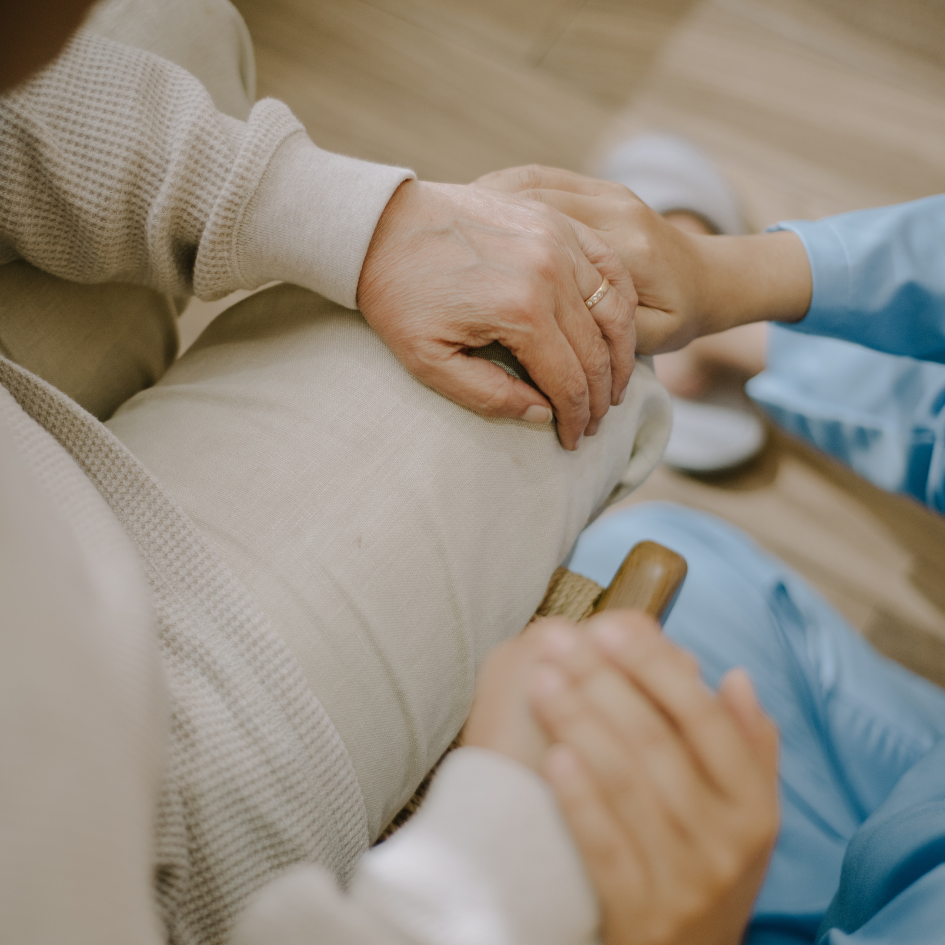
Choosing to spend your final weeks at home is a deeply personal decision. For many older people, home brings comfort, familiarity, and a sense of dignity, but for families it can also feel daunting, at this stage, family members and carers are often carrying a lot, practical caring tasks, admin and paperwork, emotional stress and exhaustion.
When someone wants to stay at home, the role of your care partner is to protect that choice with calm, coordinated help that eases the practical load without making the home feel clinical.
Good support feels steady and respectful, and helps families feel less alone. Families often notice a few key green flags when support is working well:
Comfort is prioritised.
Participants can use their End of Life Pathway budget for personal care, domestic assistance (cleaning or meal preparation) and nursing care to keep the older person comfortable. These services take away some of the practical burden so family and friends can focus on being present.Dignity and respect.
Under the Aged Care Act, older people have the right to make decisions about how and where they live and to have their culture and identity respected. A respectful care partner listens, explains procedures in plain language and never treats the home like a hospital unless necessary.Clear communication.
Every participant is assigned a care partner, a dedicated staff member who helps them understand their care, reviews their care plan and budget, communicates with workers and the participant's supporters and monitors and adjusts services as needs change.Person-centred routines.
The care partner works with the person and their family to develop a care plan based on the older person's needs and choices. That might mean morning visits for personal care, evening check-ins or meal services tailored to favourite foods. Good support respects the rhythms of home life.Family feels informed.
In a well-run program, family members know who to call with questions, when the next visit is scheduled and what to expect.
Once the right foundations are in place, the next piece is responsiveness, because needs can change quickly, and support has to keep up
How flexible, responsive, short-term support works (and why that matters)
The End of Life Pathway is designed to be both short-term and flexible. The budget of $25,000 is spread over 12 weeks, but if funding is still available, families may draw down the budget for up to 16 weeks. During this period, the care partner monitors and adjusts services according to changing needs.
Short-term funding matters because it allows a rapid response when needs suddenly increase.
Families aren't committing to long-term arrangements, instead they can focus on immediate comfort. If services are needed beyond the initial period, participants may request a Support Plan Review to move into ongoing Support at Home services.
Participants and their registered supporters can choose to exit the pathway at any time, for example, if the person decides they no longer want to stay at home or their medical circumstances change.
This flexibility helps families feel in control during an unpredictable time.
If there is confusion about next steps, it is okay to ask the care partner to revisit the plan. Clear, consistent communication is part of responsive support.
Practical support and flexibility are important, but they're really in service of something deeper, helping someone feel safe, known, and comfortable at home.
Practical tips - what to look for
Here are the signs that support is organised, respectful, and working well at home.
✅ Green flags
A dedicated care partner is introduced early and serves as a single point of contact.
Access to responsive clinical care, with a nursing team who can assess changes and coordinate with the GP or palliative care team when needs change quickly during this critical stage.
The care plan is tailored to the person's needs and preferences; schedules and services make sense for the household.
Communication is clear, calm and inclusive of all family members.
Family members feel respected and have space to voice concerns without judgment.
🚩 Watch-outs
Confusion about what the $25,000 budget covers or how long it lasts, ask for a breakdown.
Unclear about who coordinates services, ensure there is a named care partner.
Limited explanation of contributions or fees. Participants may need to contribute to some services, while clinical care like nursing and physiotherapy is fully funded. Ask for detailed information.
Lack of cultural sensitivity or failure to offer interpreting support. Participants have the right to communication that meets their language needs.
If delays or gaps occur, ask for a Support Plan Review or contact My Aged Care. If you have concerns about care quality, you can make a complaint to the Aged Care Quality and Safety Commission (contact details are available from My Aged Care).
Need Help?
If you or someone you love is approaching the end of life and would like to remain at home, our BCD Nursing Services team can help you understand your options and access the right support. Together, we can make every moment count.
Give us a call on on 1800 275 223 or get in touch through our contact form and we'll call you straight back. We're here to help!
FAQs
What is the Support at Home End of Life Pathway?
It is a priority access part of the Support at Home program that provides additional in -home aged care services and funding (up to $25,000 over 12 weeks) for older people expected to live three months or less.
Who is it for?
Older people aged over 65 years old (or 50 years or over for Aboriginal and Torres Strait Islander people) who are diagnosed by a medical practitioner or nurse practitioner as having a life expectancy of three months or less and who meet eligibility criteria, including an AKPS score of 40 or below. It is available to both new and existing Support at Home participants.
How is care coordinated around the person and family?
The care partner is responsible for coordinating between the participant, their family, healthcare providers and palliative care services. They develop a person-centred care plan and advise if changes are needed.
Can my loved one stay at home?
Yes, the pathway is designed to provide more in-home aged care services so that older people can remain at home if they wish and it is safe to do so. The services are intended to complement other government funded palliative care programs.
Do we have to pay anything?
Participants may need to contribute to some services, while Clinical Care such as nursing is fully funded and does not require contributions. Contributions depend on an assessment of income and assets by Services Australia.
Need Help?
If you or someone you love is approaching the end of life and would like to remain at home, our BCD Nursing Services team can help you understand your options and access the right support. Together, we can make every moment count.
Give us a call on on 1800 275 223 or get in touch through our contact form and we'll call you straight back. We’re here to help!
Sources:
My Aged Care Website: https://www.myagedcare.gov.au/
Support At Home: https://www.health.gov.au/our-work/support-at-home
Your guide to the End-of-Life Pathway PDF (November 2025, Department of Health, Disability and Ageing)
Disclaimer
The information provided in this blog post is for informational purposes only and should not be considered as legal, financial, or professional advice. While we strive to ensure the accuracy of the content, we encourage you to visit the relevant government websites for the most up-to-date and official information.