
Personal care at home: the daily aged care supports that make a big difference
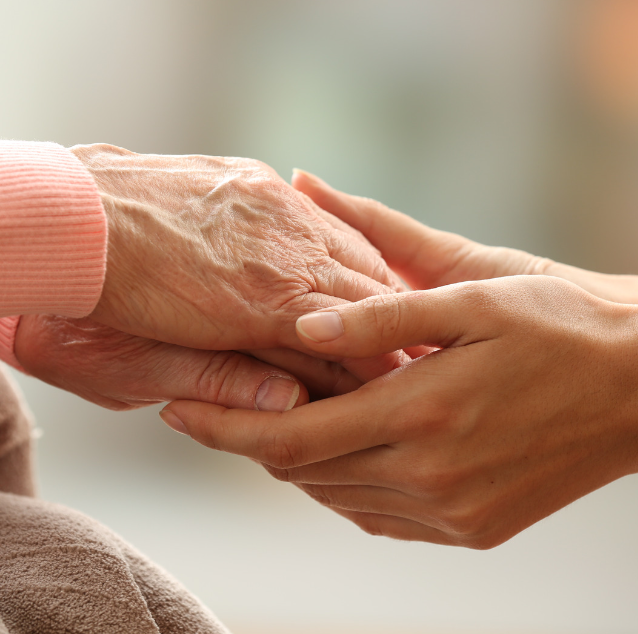
Small supports each day can make a big difference to health and well being. Personal care can help older people keep their dignity, confidence and independence at home.
It can also give families peace of mind, knowing someone is checking in, noticing changes and helping with the little things before they become bigger concerns.
In our recent blog post on the Support at Home personal care funding update, we looked at how approved personal care is set to be fully funded for eligible participants from 1 October 2026.
In this blog post, we're looking at what personal care can look like in everyday life, and how the right support can help someone feel safer, more comfortable and more ready for the day.
Take Margaret, for example:
After a long stay in hospital, Margaret* was relieved to be home. But her mornings felt very different from before.
She had lost the use of her right arm, which made showering, washing her hair and getting dressed much harder. Her adult children lived interstate, and while they called often, they couldn't be there each morning to help her start the day.
Having a care worker visit regularly gave Margaret more than practical support. It meant she could shower safely, put on clean clothes, brush her hair and feel ready for the day without feeling rushed or embarrassed.
For many older people, personal care is an essential support that helps to maintain their independence and well being at home.
In this blog post, we look at what personal care can include, why support with daily routines matters, and how the right help can make everyday life feel more manageable.
*Margaret is a fictional example.
At a glance
| Topic | What to know |
|---|---|
| What personal care means | Support with everyday routines such as showering, dressing, eating, personal hygiene and continence. |
| Why it matters | Personal care can help an older person feel clean, comfortable, safe and more confident at home. |
| Who it may help | Older people who need regular support with private daily routines, especially after illness, injury, a hospital stay or changes in mobility. |
| What families may notice | Daily routines may start to feel harder, slower or less safe, and family members may feel worried about how the person is managing at home. |
| What to do next | Talk with your aged care provider about what support is currently in place and whether the care plan still matches day-to-day needs. |
This table gives a brief overview of what personal care can include and when it may be helpful.
What does personal care include?
Personal care is support with daily routines that can become difficult because of ageing, illness, injury, disability or reduced mobility.
It often involves the private and personal routines of a person's day, such as showering, dressing, grooming, eating and toileting.
Personal care helps someone do what they can for themselves, while receiving the right support with the parts that are difficult, unsafe or tiring. It's important for personal care to be provided with patience, respect and consistency.
A day in Margaret's life: what personal care can look like
Personal care can look different for every older person. For Margaret*, it's not just one task she needs help with. It's the steady support that helps her move through the day feeling clean, comfortable and more confident at home.
Before we look at Margaret’s day, it’s important to remember that personal care is not about taking over.
Good support is done withthe older person, listening to what they would like to do rather than simply doing the task for them. This means Margaret is still involved in her own routine as much as she can be. She makes choices, does the parts she is able to do safely, and receives support where she needs it.
The examples below show what personal care can look like in everyday routines. The exact support an older person receives will depend on their needs, preferences and aged care plan.
| Time of day | What this looks like for Margaret | How Margaret stays involved | Personal care support |
|---|---|---|---|
| Morning routine | It is 7.30am and Margaret is awake. Her care worker arrives and supports her to get to the toilet safely before breakfast. Margaret likes toast with Vegemite and a cup of tea, as she needs to eat before taking her medication. | Margaret chooses what she would like for breakfast and does the parts of the routine she can manage safely. | Toileting support, continence support, help with eating and assistance with self-administration of medication. |
| Getting washed and dressed | After breakfast, Margaret gets ready for the day. Because she has limited use of her right arm, showering and washing properly can be difficult on her own. Her care worker stays nearby and helps with the parts Margaret cannot safely manage by herself. | Margaret chooses the pace of the routine and lets her care worker know where she needs help. | Showering, personal hygiene, dressing and grooming. |
| Choosing clothes for the day | It is warm and sunny, so Margaret chooses something light and comfortable. She wants to sit outside in the garden later and read. | Margaret chooses her clothes and decides what feels comfortable for the day ahead. Her care worker helps with buttons, sleeves or anything that is difficult with one arm. | Dressing support and personal grooming. |
| Staying clean and comfortable | During the day, Margaret may need help getting to the toilet or changing if she has an accident. Having support means she can stay clean, dry and comfortable without feeling embarrassed or rushed. | Margaret is supported to keep as much privacy and control as possible. Her care worker helps in a calm, respectful way. | Non-clinical continence support, toileting assistance, changing clothing or bedding if needed. |
| Mealtimes | Margaret can eat independently some days, but on harder days she may need help opening packets, cutting food or making sure she is sitting safely while she eats. | Margaret chooses what she wants to eat and feeds herself where she can. Her care worker only steps in where support is needed. | Support with eating and mealtime routines. |
| Before the care worker leaves | Before leaving, the care worker checks Margaret is comfortable, dressed, has taken her medication as planned, and has what she needs close by. Margaret feels settled and ready to enjoy the rest of her day. | Margaret decides where she would like to sit, what she wants nearby and what she plans to do next. | Personal care, grooming support and assistance with self-administration of medication. |
This example shows how personal care can support daily routines while still helping the person stay involved in their own care.
Why respectful personal care matters
Personal care is personal. It can involve moments that feel vulnerable, especially when someone has always managed these routines on their own.
A calm and respectful care worker can make those moments feel safer and less stressful. They can give the person time, explain what they are doing, protect privacy and support the person to stay involved in their own routine as much as possible.
For someone like Margaret, help with showering and grooming is more than hygiene. Personal care can be the difference between staying in pyjamas all morning and feeling ready to sit outside, welcome a friend in, go and visit family or enjoy breakfast in comfort.
How personal care can support wellbeing at home
When daily routines become difficult, older people may start to avoid things that once felt simple. Showering may feel unsafe, going to the toilet may become a source of worry. These changes can affect confidence, mood and family peace of mind.
Regular personal care can help create a steadier rhythm at home. It can support cleanliness, comfort, dignity and confidence. It can also help families feel reassured that their loved one is not trying to manage everything alone when they're not able to be there.
Do I have to pay for personal care under Support at Home?
From 1 October 2026, approved personal care under Support at Home is set to be fully funded for eligible participants. This means older people who have personal care included in their Support at Home plan, and have enough funding available, may be able to receive approved personal care services with no out-of-pocket cost. For the latest official information, visit the
My Aged Care website.
When it may be time to talk about personal care support
It may be worth reviewing personal care needs if everyday routines are becoming harder or less safe.
showering, dressing or grooming is becoming tiring, painful or risky
your loved one is avoiding showers, clean clothes or regular hygiene routines
toileting or continence support is becoming stressful
family members are worried about falls, comfort or dignity
they have recently come home from hospital or had a change in mobility
the current care plan no longer matches what is happening day to day
Questions families may want to ask
If you are supporting an older parent, partner or loved one, these questions may help start a conversation with an aged care provider:
Which parts of the morning or evening routine feel hardest at the moment?
Does the person feel safe showering, dressing or getting to the toilet?
Would regular support with personal care help them feel more comfortable at home?
Is continence support needed, and is it being handled in a respectful and practical way?
Does the current care plan reflect what the person needs day to day?
Would it be helpful to review the amount or timing of personal care support?
Real-life support at home: Rod's Story
Personal care can look different for every person, but the heart of it is the same: helping someone feel safe, comfortable and supported at home.
You can also read Rod's story here to see how in-home support has helped with everyday routines and living more confidently at home.
Need Help?
If you have questions about Support at Home or need help navigating aged care services, our friendly BCD Care team is here to help. Give us a call on 1800 275 223, or contact us through our online contact form, we're here to make sure you feel supported every step of the way.
Information correct as at 17 June 2026. Please refer to the My Aged Care website for the latest updates.
Sources:
MyAgedCare Personal Care Contributions Updates https://www.myagedcare.gov.au/news-and-updates/support-home-personal-care-contribution-changes
Support at Home Service List
https://www.health.gov.au/sites/default/files/2025-08/support-at-home-service-list.pdf
Department of Health, Disability & Aging https://www.health.gov.au/news/personal-care-to-be-fully-funded-under-support-at-home-from-october
My Aged Care Support At Home
https://www.myagedcare.gov.au/support-at-home
Information correct as at 17 June 2026. Please refer to the My Aged Care website for the latest updates.
The information provided in this blog post is for informational purposes only and should not be considered as legal, financial, or professional advice. While we strive to ensure the accuracy of the content, we encourage you to visit the relevant government websites for the most up-to-date and official information.