
NDIS SIL provider registration changes from 1 July 2026: what you need to know
If you or a loved one receive Supported Independent Living, often called SIL, there are some important NDIS provider registration changes coming in 2026.
These changes are about SIL providers, not your NDIS plan.
The main thing to know is that from 1 July 2026, mandatory registration starts. The NDIS says SIL providers must be registered, or apply to register, by 1 October 2026.
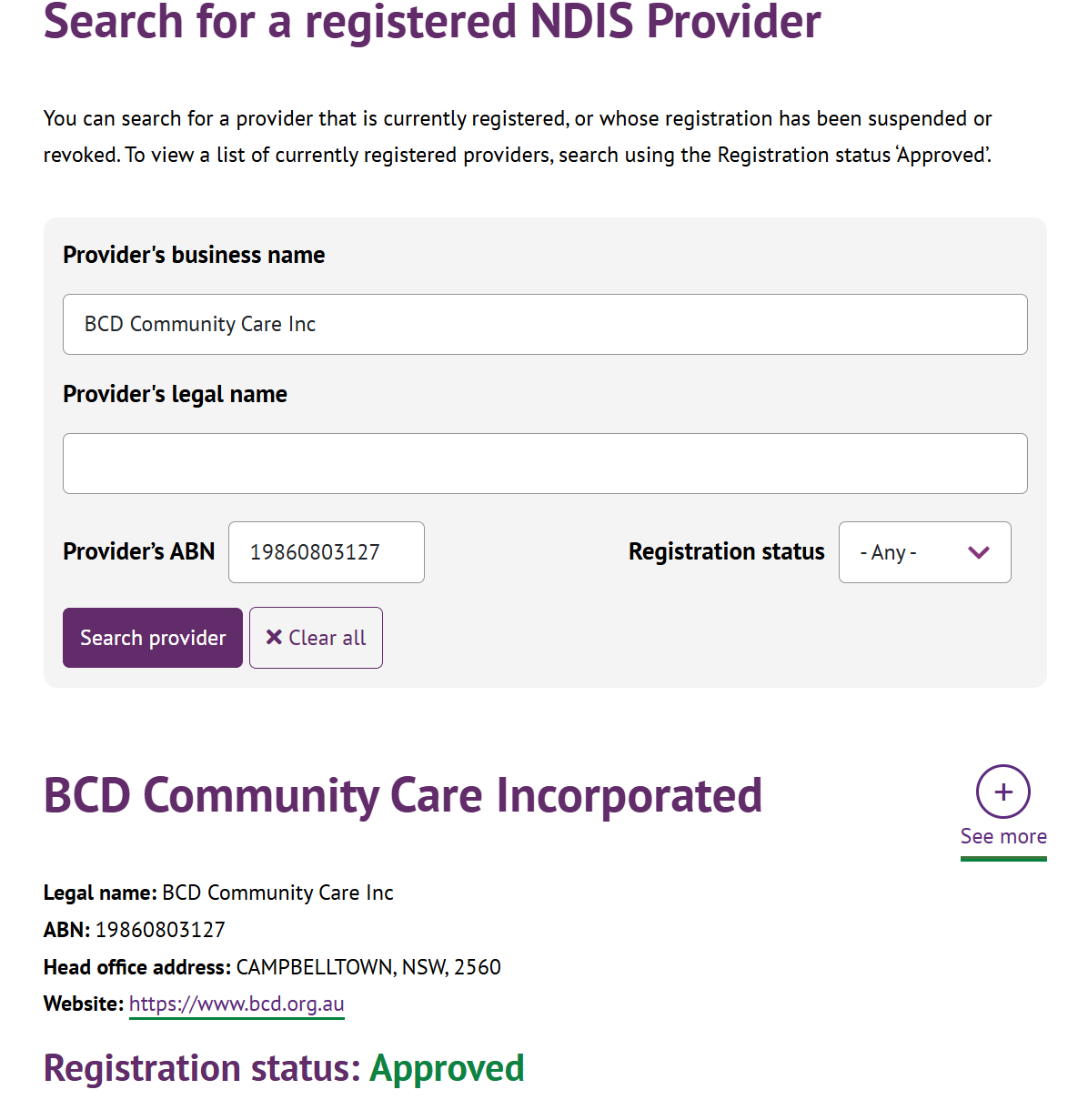
As an established registered NDIS provider, BCD already meets the registration requirements under the NDIS Quality and Safeguards Commission.
This means our current BCD SIL customers will not need to change providers because of this new requirement.
Being registered means a provider has met strict standards, audits and safeguards under the NDIS Commission’s regulatory framework.
How to check if your NDIS provider is registered
For NDIS participants, the most important step is to check whether your current SIL provider is registered or planning to register.
If they are registered or planning to register, you should be able to continue receiving your SIL supports. If they are not going ahead with registration, it may be time to look at other SIL providers who are registered to deliver these supports.
You can check if a provider is registered on the NDIS Commission's Find a Registered Provider page here.
At a glance
| Topic | What it means |
|---|---|
| What is changing? | SIL providers need to be registered with the NDIS Commission, or be taking steps to register. |
| Does this change my NDIS plan? | No. Your plan and funding do not automatically change because of provider registration. |
| Who should check? | NDIS participants who receive SIL supports should check whether their provider is registered or planning to register. |
| What if my provider is registered? | You do not need to take action and can continue receiving supports. |
| What if my provider is not registering? | You may need to choose a provider who is registered to deliver SIL. |
This table gives a brief overview of what SIL provider registration may mean for participants.
What does SIL mean?
Supported Independent Living or SIL is a type of home and living support for NDIS participants who need a high level of help at home.
It usually applies when a person needs support for most of the day, or all of the day and sometimes overnight. SIL can include help with daily life tasks, supervision and support to live as independently as possible at home and in the community.
SIL is different from choosing and managing your own support workers.
If you choose, direct, plan and roster your own workers, this is not considered SIL under the information provided by the NDIS Commission.
You can read our easy to read guide for more information on Supported Independent Living or visit the NDIS website for more.
What is the provider registration change?
From 1 July 2026, registration becomes mandatory for providers that deliver SIL supports.
This means SIL providers will need to meet registration requirements. Registered SIL providers will need to meet the relevant NDIS Practice Standards and other conditions of registration.
For participants, this change is about making sure SIL supports are delivered by registered providers.
It does not mean your plan automatically changes. It does not mean your funding automatically changes. It does mean you should check what your current provider is doing. You can read more on the
NDIS Commission website here.
What does this mean if you already receive SIL?
If you already receive SIL supports, your first step is to ask your provider whether they are registered or whether they plan to register.
The NDIS says participants receiving SIL from a registered provider do not need to take action and can continue receiving these supports.
If your current provider is not registered, you should ask whether they plan to become registered. If they are not planning to register, you may need to look for a registered provider who can deliver SIL supports.
Is your SIL provider already registered: what should you do?
| Question | If YES | If NO |
|---|---|---|
| Is your SIL provider already registered? | You can continue receiving SIL supports from your provider. | Ask whether they plan to register. |
| If they are not registered, do they plan to register? | Ask when they expect to complete the process and whether anything will change for you. | You may need to look for another SIL provider that is registered. |
| Do you understand what your provider is doing? | Keep a note of what they tell you and who you spoke to. | Ask your support coordinator, plan nominee, family member, carer, advocate or the NDIS for help. |
| Do you need to change providers? | If your provider is registered or registering, you may not need to change. | Start looking for a registered SIL provider as early as possible so there is time to plan a safe transition. |
This table is a simple guide to help participants think through what to ask their SIL provider and what steps may be needed.
Questions to ask your SIL provider
You may want to ask your provider:
How can I check you are registered and approved?
Are you currently registered to deliver SIL supports?
If you are not registered yet, have you started the registration process?
What timing should I expect for your registration?
Will my day-to-day support arrangements stay the same?
Who can help me if I have questions or feel unsure?
What are my options if you do not complete registration?
It may help to write down the answers or ask someone you trust to be with you during the conversation.
What if your provider is not planning to register?
If your SIL provider is not planning to register, you will need to find another provider who is registered to deliver SIL.
This can feel stressful, especially when your SIL supports are part of your daily life at home.
You do not have to work it out alone. You can ask for help from your support coordinator, plan nominee, family member, carer, advocate or contact the NDIS for help.
What will not change?
This change is about provider registration. It does not change:
the NDIS plan you already have
the funding in your plan
the SIL supports you have been approved to receive
the goals you are working towards
the support items listed in your plan
If you are worried about what the change means for you, ask your provider, support coordinator or the NDIS for help.
What if you choose and manage your own support workers?
The NDIS says it is not SIL if you choose and manage your own support workers. This includes directing, planning and rostering your own workers.
If this is how you receive support, the SIL mandatory registration changes may not apply to you.
If you are unsure whether your support is SIL, ask the NDIS or your support coordinator to help you check. You can find the latest official updates on the NDIS website.
What happens next?
The upcoming SIL registration changes are mainly about making sure SIL supports are delivered by registered providers.
If you receive SIL, the most important thing to do now is check whether your provider is registered or planning to register.
If the answer is yes, you may not need to do anything. If the answer is no, it is a good idea to start talking about your options early, so you have time to find a registered SIL provider and plan your next steps.
Need Help?
If you're looking for support with managing your NDIS plan, we're here to help. Feel free to reach out if you'd like to learn more. Call the BCD team on 1800 275 223, or contact us online through our contact form.
Information correct as at 23 June 2026. Please refer to the NDIS website for the latest updates.
Sources:
NDIS news page: Mandatory registration for Supported Independent Living (SIL) and NDIS digital platform providers
NDIS Commission reform hub: NDIS regulatory reform
NDIS Commission SIL page: Mandatory registration and transition pathways for supported independent living (SIL)
Information correct as at 23 June 2026. Please refer to the NDIS website for the latest updates.
The information provided in this blog post is for informational purposes only and should not be considered as legal, financial, or professional advice. While we strive to ensure the accuracy of the content, we encourage you to visit the relevant government websites for the most up-to-date and official information.