

With mandatory registration on the way for Supported Independent Living providers, many families may be hearing more about SIL and wondering what it actually means.
From 1 July 2026, providers delivering NDIS-funded SIL supports will need to register with the NDIS Quality and Safeguards Commission. The Commission says this will bring stronger oversight through quality standards, independent audits, suitability assessments, reporting requirements and worker screening checks. That makes this a good time to understand what SIL is, what it is not, and what families should look for when comparing NDIS providers.
When families start exploring home and living options, it can be hard to know what the different terms actually mean. SIL, SDA, rent contributions, shared living and daily supports can all sound similar at first.
One of the biggest misconceptions is that a "SIL home" is a type of property the NDIS pays for.
According to NDIS guidelines, Supported Independent Living is one type of support to help a person live in their home, including help with daily tasks such as cooking meals, personal care and shopping.
IMPORTANT UPDATE: Looking for the latest NDIS changes?
This article explains Supported Independent Living homes more generally. For the latest announcements and what they may mean for participants, applicants and families, read our updated blog here or visit ndis.gov.au.
What mandatory registration means for SIL providers
The new mandatory registration rules matter because they place a stronger focus on quality and safeguards in this part of the sector. The NDIS Quality and Safeguards Commission says every provider delivering NDIS funded SIL supports must register from 1 July 2026.
It also says SIL providers will be subject to high quality standards, independent audits, suitability assessments, reporting requirements and worker screening checks.
For families looking at providers, that gives SIL an extra layer of importance right now.
As a registered NDIS provider, we understand how important quality, transparency and trust are for participants and families.
What it means to be a registered NDIS provider
For SIL providers, being a registered NDIS provider means meeting the NDIS Quality and Safeguards Commission's registration requirements and operating under stronger regulatory oversight.
In practical terms, that means the provider must meet quality standards and be open to audits and other checks. It does not replace the need for families to ask questions, but it does give families an important point of reference when comparing providers.
So what is Supported Independent Living (SIL)?
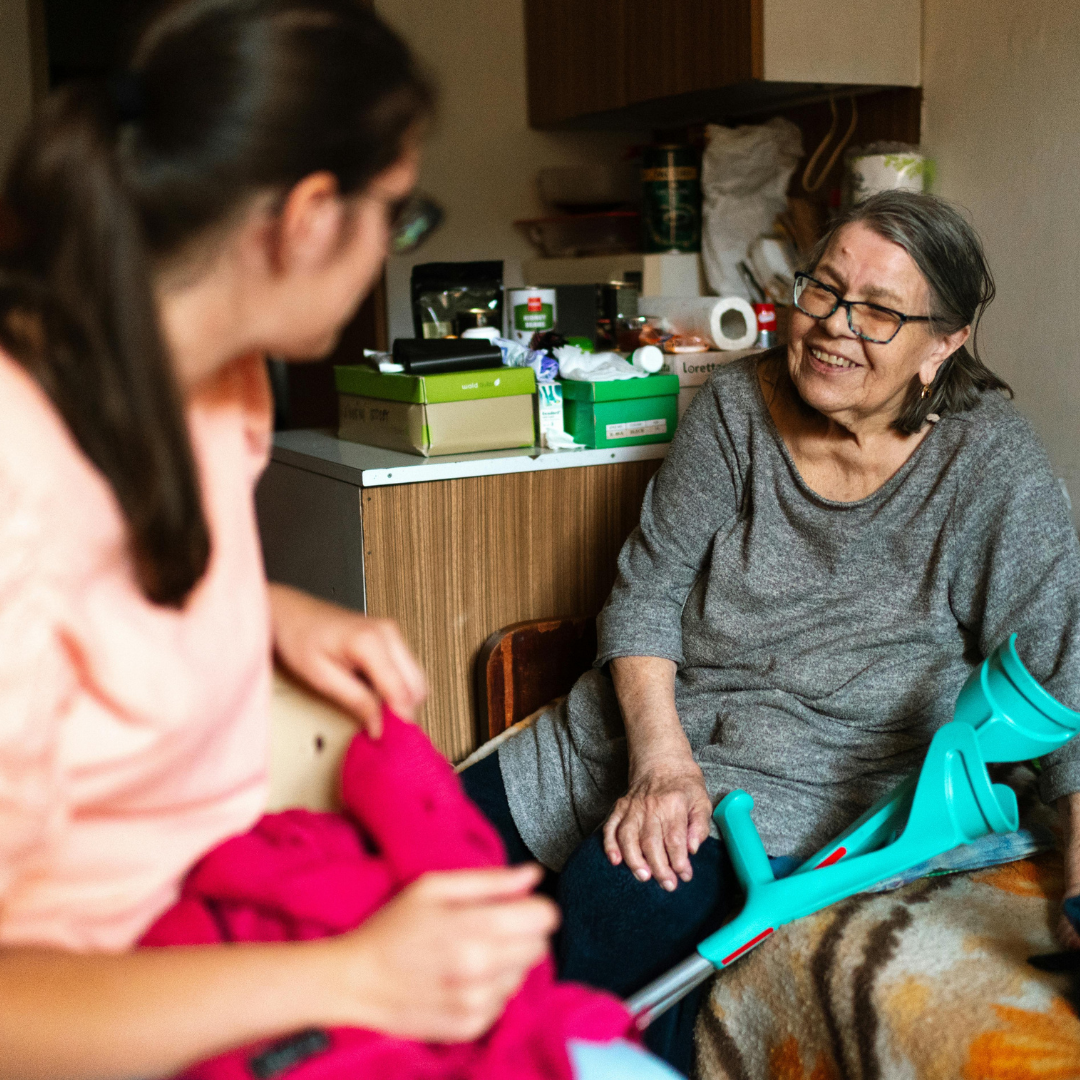
A good way to think about SIL is this, it is the support delivered in the home, not the home itself. The NDIS describes SIL as help or support with daily tasks for example personal care or cooking meals. The goal is to help the person live as independently as possible while building their skills.
The NDIS also says SIL is generally for people with higher support needs who need some level of help at home all the time. It is best suited to people who need a significant amount of help throughout the day, seven days a week, including overnight support. SIL is commonly used in shared living arrangements, but it can also be funded for someone living on their own if that is the right support option.
You can learn more about SIL in our easy to read guide on Supported Independent Living.
SIL is support, not the housing
Think of it as: Specialist Disability Accommodation (SDA) is the building, bricks and mortar, the specially designed home where you live. SDA funding is for the housing/building component, not the care. You still usually pay rent and normal day-to-day living costs.
Supported Independent Living (SIL) is the support services you receive inside the home, helping you with daily living task and activities to build independence. SIL funding cannot be used for rent, groceries, or ordinary household living costs.
Example:
A person lives in an accessible unit with wide doors and a modified bathroom. That is Specialist Disability Accommodation (SDA). Support workers come in to help them every day. That is Supported Independent Living (SIL).
Imagine Sarah uses a wheelchair and needs assistance morning and night.
She lives in a specially built unit with an accessible bathroom, wide hallways, and ceiling hoist provision. That home itself is SDA, the bricks and mortar.
Support workers come in to help her get out of bed, shower, dress, prepare meals, and provide overnight assistance. Those worker supports are SIL the support services.
This is one of the most important distinctions for families to understand. SIL is not a housing package. It is paid personal support that can be delivered where a person lives. The housing and the support are separate parts of the picture.
The NDIS says most participants continue to access housing through the private market by owning or renting, or through social housing. Other than Specialist Disability Accommodation in specific cases, the NDIS does not generally fund housing. That is why the phrase "SIL home" can be misleading if it makes it sound like SIL is the property itself.
SIL and SDA are not the same thing
Another common source of confusion is the difference between SIL and SDA. SIL is support within the home.

SDA, or Specialist Disability Accommodation, is the physical housing for people who need a home with special design features because of very high support needs or significant physical challenges.
So while SIL is the support, SDA is the specialist accommodation itself. The NDIS is also clear that SDA does not include the services or supports a person might receive in their home that relate to their disability support needs. That means someone living in SDA may also receive SIL or other supports, but they are different supports with different purposes.
You can read more about the different NDIS home and living supports in this guide.
Rent and everyday costs are separate
Another area families often ask about is rent. The NDIS says participants are generally responsible for daily living costs including rent, groceries, utilities, telephone or internet costs and other ordinary household expenses. That applies across home and living more broadly, and it is one of the reasons it is important to separate housing costs from disability supports.
For SIL, that means the funding is for the disability-related help a person needs at home, not the cost of living there.
For SDA, the NDIS says eligible participants may have SDA funding in their plan for the specialised housing component, but they still need to pay rent and other daily living costs.
Questions families can ask
When families are exploring SIL, it helps to ask simple, practical questions.
What support is actually included in SIL?
What costs are separate from the support?
Is the person's housing separate from their support package?
If SDA is mentioned, what does that include and what does it not include?
Is SIL the right fit for this person's needs and goals, or are there other options worth exploring?
Exploring accommodation options
If you are exploring SIL for yourself or a family member, seeing different SIL homes can be a helpful next step. It can give you a better sense of how supports work in everyday life and help you think about what feels right for the person's needs, preferences and goals.
Understanding those differences can help families ask better questions and feel more confident about their options.
Need help?
If you have questions about disability support or want help understanding your options, you're not alone. It can take time to work out what support feels right for you or your family. If you would like clear information or a friendly conversation about your options, please feel free to get in touch.
Call 1800 275 223 to speak to our BCD care team today or contact us online.
Got A Question?
Find answers to common questions about NDIS supports on our FAQ page.
Sources:
NDIS Quality and Safeguards Commission - Mandatory registration for Supported Independent Living and platform providers to start from next year - https://www.ndiscommission.gov.au/media-centre/mandatory-registration-supported-independent-living
NDIS - Supported Independent Living for participants - https://www.ndis.gov.au/participants/home-and-living/supported-independent-living-participants
NDIS - Home and living - https://www.ndis.gov.au/participants/home-and-living
NDIS - Specialist Disability Accommodation explained - https://www.ndis.gov.au/participants/home-and-living/specialist-disability-accommodation-explained
NDIS - Requesting home and living supports - https://www.ndis.gov.au/participants/home-and-living/requesting-home-and-living-supports
NDIS - What home and living supports the NDIS funds - https://www.ndis.gov.au/participants/home-and-living/what-home-and-living-supports-ndis-funds
- NDIS - Specialist disability accommodation - https://www.ndis.gov.au/providers/housing-and-living-supports-and-services/specialist-disability-accommodation
- NDIS - SDA pricing and payments - https://www.ndis.gov.au/providers/housing-and-living-supports-and-services/specialist-disability-accommodation/sda-pricing-and-payments
Disclaimer
The information provided in this blog post is for informational purposes only and should not be considered as legal, financial, or professional advice. While we strive to ensure the accuracy of the content, we encourage you to visit the relevant government websites for the most up-to-date and official information.