
Dying To Know Day Reflection - The Secret I’m Glad I Shared
Imagine a family sitting around the kitchen table after their ageing parent’s health has started to change.
Everyone wants to do the right thing, but there are suddenly a lot of questions.
What kind of care would Mum or Dad want?
Who should be involved in decisions?
Are the important documents in place? Where would they feel most comfortable receiving care?
And has anyone actually talked about what they want their final days to look like?
These are exactly the kinds of conversations encouraged by Dying to Know Day, a national initiative that aims to make talking about death and dying more open and meaningful.
This year’s theme, “The secret I’m glad I shared”, carries a simple message, the people closest to us can only understand our final wishes if we talk about them. Sharing those wishes earlier can help family, friends and communities know what matters most to us.
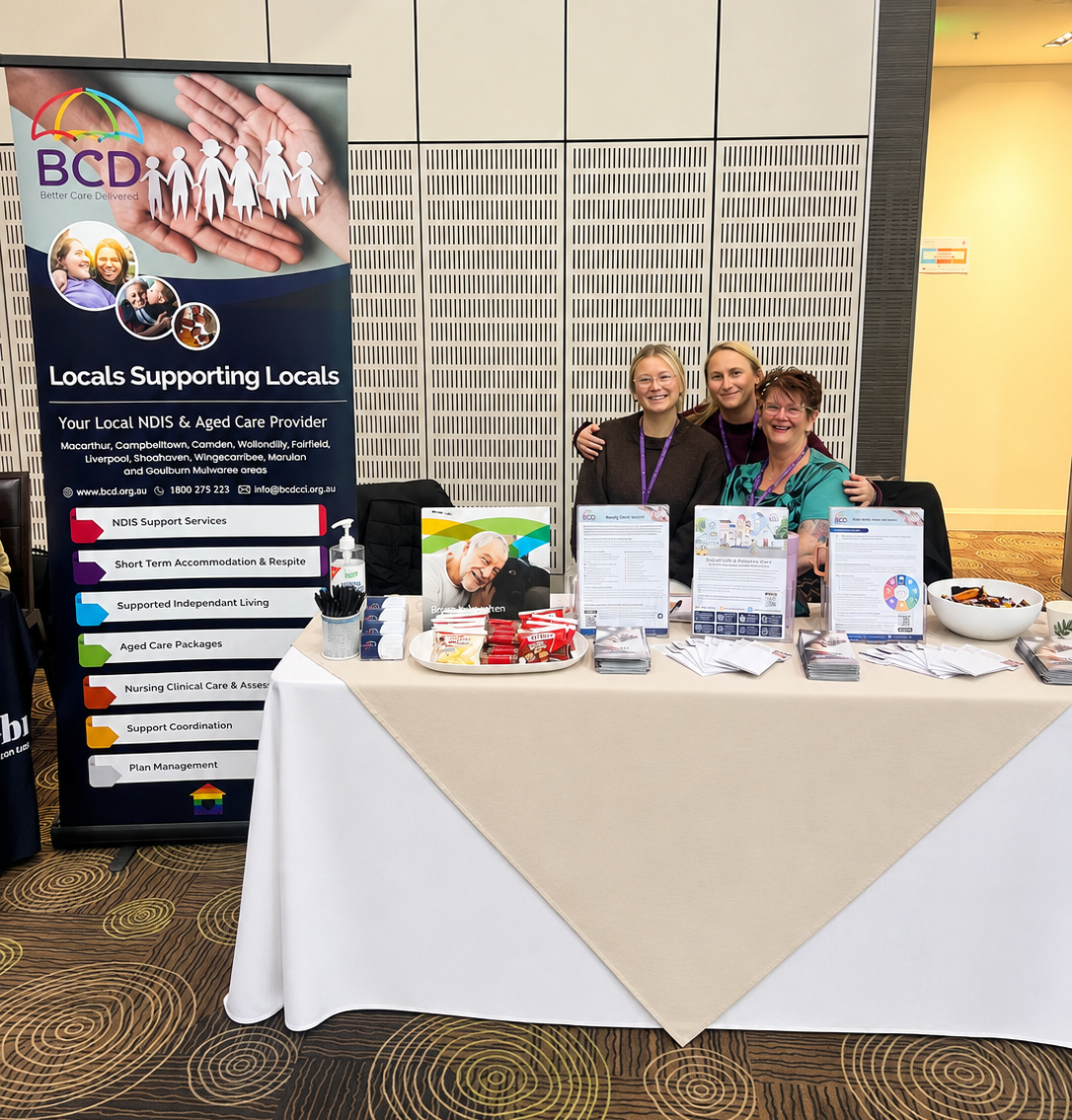
That theme was brought to life at the recent Dying to Know Expo in Campbelltown, where local professionals came together to talk openly about end-of-life planning, Advance Care Planning, wills and other practical arrangements, grief and loss, and funeral planning.
One of the strongest messages we took away was that talking about end of life earlier can help families feel more prepared when the time comes. Rather than making the subject feel frightening, the day encouraged people to talk about it more openly.
Our three key takeaways from Dying to Know Day, for us, three messages stood out.
Start the conversation early. Talking about end-of-life wishes does not have to wait until someone is very unwell. Starting earlier gives people and families more time to talk, ask questions and think about what matters most.
Planning helps your voice be heard. Advance Care Planning, wills and other important arrangements can help make a person’s wishes, values and preferences clearer to the people around them.
Support is available when you need it. Families can draw on local health professionals, care providers and other services for information, guidance and support.
That last point is particularly important. Planning for the end of life does not mean having every answer. Often, the first step is simply talking about what matters.

A few things worth thinking about
There are practical matters to consider, but there are also deeply personal ones. You might want to talk about what is most important to you if your health changes.
Who would you want beside you when decisions are discussed?
What would help you feel safe, comfortable and cared for?
Are there people, places, routines, cultural traditions or other things that are particularly important to you?
Some of the practical areas families may want to think about ahead of time, including wills, power of attorney and guardianship, funeral planning and Advance Care Planning.
There is no need to work through every decision in one go. But beginning these conversations early can make it easier to work through decisions gradually rather than trying to manage everything at the last minute if the unexpected happens.
Advance Care Planning: making your wishes clearer
One of the sessions at Dying to Know focused specifically on Advance Care Planning. For us, the important message is simple, planning ahead can help the people around you better understand what matters to you.
That may include talking with your family and care team about your values, your preferences and the kind of support you would want if your health changed. These conversations can also give families an opportunity to listen. Sometimes people assume they already know what a loved one would want. Talking about it openly can make those wishes much clearer. You can read more about Advanced Care Planning on our blog.
Wills and other practical arangements
End-of-life planning is about more than healthcare. It includes having conversations about wills, power of attorney and guardianship, reminding us that there can be practical decisions to consider alongside care arrangements.
These topics can sometimes be easy to put in the “we’ll deal with that later” basket. But thinking about them earlier may give you more time to discuss your wishes with your family and seek the appropriate professional advice where needed. You might also want to think about whether important information and documents are easy for the right people to find when they are needed.
Talking about grief, loss and saying goodbye
Another important part of the day was the conversation about grief and loss, as well as funeral planning. It was a reminder that end-of-life care involves the whole family. There may be sadness and uncertainty, but there can also be moments of connection, reflection and time together. Talking about wishes in advance can help families understand what is important to the person they love, including how they would like to be cared for and what a meaningful goodbye might look like for them.
As one family told us about the care their father received:
“The care and help made a hard time feel more at ease, so our family could give Dad the goodbye he wanted.”
Supporting people to remain comfortable at home
For more than 23 years, BCD have supported people and families in our local community. When someone is approaching the end of their life, our focus is on helping them live that final chapter with dignity, comfort and choice, while giving families the reassurance and support they need.
Our designated BCD End-of-Life Care Team works with customers, families, carers, services and health professionals to provide care guided by the person’s wishes, values and changing needs.
Depending on the person’s needs, this may include personal care and comfort support, help with daily routines, companionship and emotional support, reassurance for families and carers, coordination with other care services, and responsive support as circumstances change.
The aim is to help families spend less time worrying about how care will be managed and more time focusing on the person they love. To learn more, read our guide to End of Life Care here.
Clinical nursing and the Support at Home End-of-Life Pathway
Our in-house Clinical Nursing Team can also provide professional nursing care and clinical oversight in a person’s home.
For older people who want to remain at home towards the end of their life, the Support at Home End of Life Pathway may provide additional short term funding for care and support at home. The pathway is for eligible older people who are assessed as having three months or less to live and wish to remain at home. Around $25,000 in funding is available over a 12 week period, with the funding able to be used for up to 16 weeks where funds remain.
The pathway can help bring together the practical and clinical supports a person may need at this stage of life. This can include approved services such as nursing, personal care and help with everyday needs, while working alongside existing state and territory palliative care services.
Clinical supports such as nursing are fully funded by the Australian Government under Support at Home.
For families, this can mean having more support in place to help a loved one remain at home, surrounded by familiar people and surroundings. Our Clinical Nursing and End of Life Care teams can work alongside the person, their family, GP and other health professionals to help coordinate care around their individual needs and wishes.
Our nurses work collaboratively with customers, families, GPs, allied health professionals, support workers and other members of the person’s care team. Nursing support may include clinical assessments, wound and pressure care, medication and diabetes support, continence and catheter care, pain assessments, falls risk assessments, vital signs monitoring, and end-of-life and palliative care support.
Most importantly, our nurses take the time to understand the person behind the care plan: their health needs, daily routines, goals and what matters to them.
Starting the conversation
One of the most positive things about the Dying to Know expo was the simple idea behind it: we can talk about death and dying openly. We can ask questions and we can tell the people close to us what matters. We can make plans, revisit them when life changes and ask for help when we need it.
Perhaps the first step is simply sitting down with someone you trust and starting with one question:
“Have we ever talked about what matters to you at the end of life?”
Need support with end-of-life care at home?
Our End-of-Life Care and Clinical Nursing teams are here to support customers and families with compassionate, coordinated care at home. We understand that every person, family and journey is different. Our role is to listen, work alongside you and help make care easier to understand and manage, so you can focus on what matters most: comfort, connection and time together.
If you or someone you love is approaching the end of life and would like to remain at home, our BCD Nursing Services team can help you understand your options and access the right support. Together, we can make every moment count.
Give us a call on on 1800 275 223 or get in touch through our contact form and we'll call you straight back. We're here to help!