
Nursing at Home - Helping older people feel safe and supported
Coming home after a long stay in hospital can be a relief. But for families, it can also bring a new set of questions.
How will Mum’s wound be managed? Who will keep an eye on Dad’s medications? What happens if their health changes again? And how do we make sure we are doing everything we can to help them stay safe and comfortable at home?
For families caring for an older person with ongoing or changing health needs, having a nurse come to the home can provide practical support and reassurance.
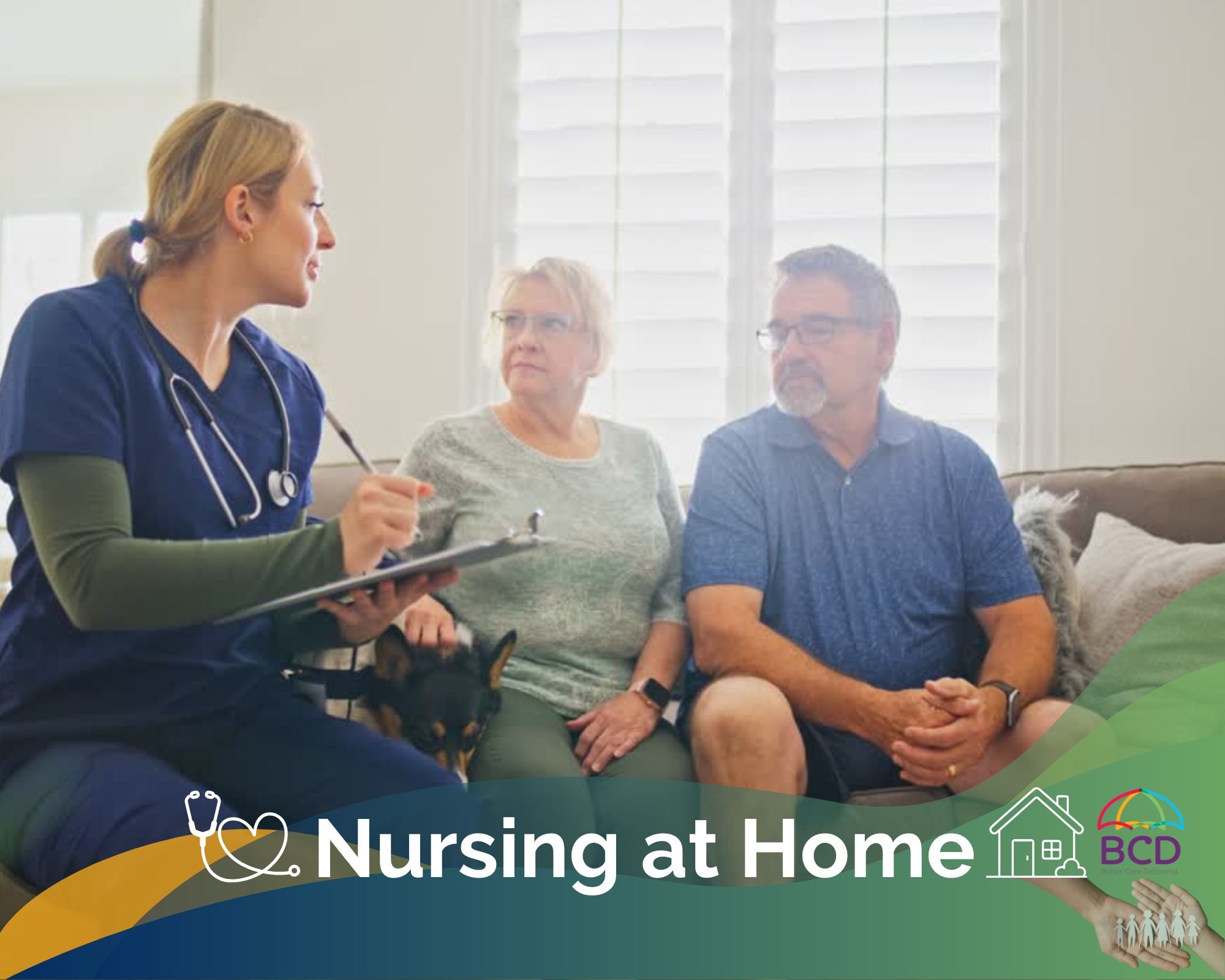
Clinical nursing at home brings professional nursing care into familiar surroundings. It can be used for a one off assessment, short term support after illness or hospitalisation, or ongoing care for more complex health needs.
Good to know: under Support at Home, participants make no contribution towards approved clinical support services such as nursing care. The Australian Government funds the clinical support component. You can read more on our blog.
What is clinical nursing care at home?
Clinical nursing at home is about much more than completing a medical check and leaving.
Our nurses take time to understand the whole person including their health, daily routines, goals, home environment and the people involved in supporting them.
We work alongside the customer, their family, GP, allied health professionals and other members of their care team to develop nursing support around their individual needs.
For someone returning home from hospital, this might mean helping to manage a wound, reviewing health risks or making sure the wider support team understands changing care needs. For someone living with a long term health condition, nursing may form part of their regular support at home
When might nursing support at home help?
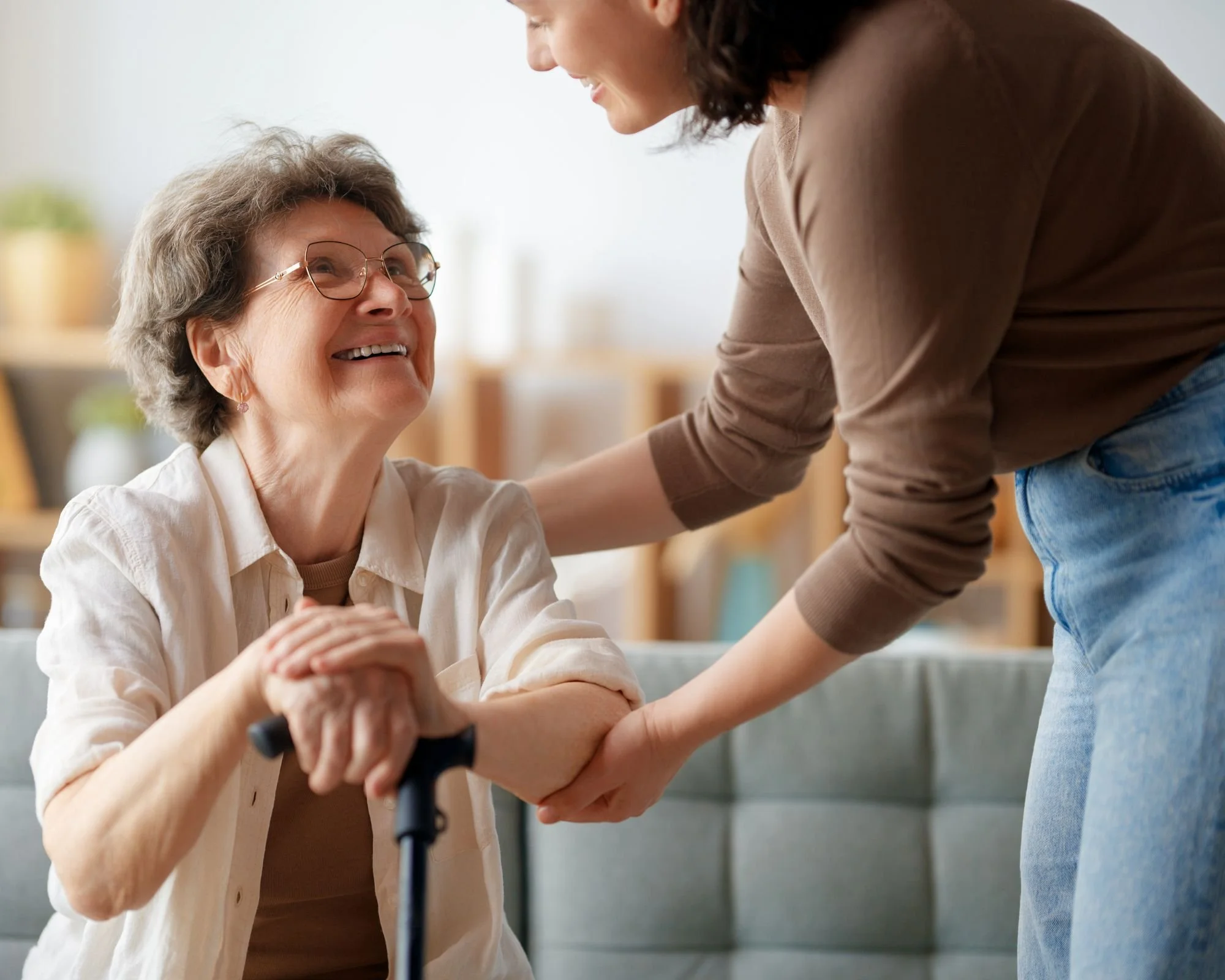
Every person’s situation is different, but clinical nursing may be useful when someone has recently returned home from hospital, their health needs have changed or they need more specialised support than family members or care workers can safely provide.
Our nursing services may include:
Clinical nursing assessments and nursing reports
Wound and pressure care
Continence assessments and reports
Catheter care
Medication support
Diabetes support
Falls risk assessments
Pain assessments
Skin and pressure area checks
Vital signs monitoring
End-of-life and palliative care support
Nursing assessments can also help build a clearer picture of a person’s current health needs and the support that may be needed at home
Coming home from hospital
The move from hospital back home can be a big adjustment.
There may be new medications, wounds that still need care, changes in being able to move around or new instructions for the family to understand. Your loved one may also be tired or less confident than they were before going into hospital.
Having clinical nursing support at home can help families understand what needs to happen next and give the wider care team a clearer picture of how the person is managing once they are back in their usual environment.
Our nurses can work with the person, family and other health professionals so that care is coordinated and everyone understands the current nursing needs. For families, that extra clinical support can make caring for someone at home feel more manageable.
Support for long term and changing health needs
Not everyone who needs nursing care has just left hospital.
Older people living with long term health conditions may need regular clinical support to help manage their health safely at home.
Needs can also change over time. A person who previously managed quite independently may begin having more falls, changes in continence, skin concerns, pain or difficulty managing medications.
A clinical nursing assessment can help identify what is happening now and provide useful information to the people involved in the person’s care. This can also help the support team understand health risks and plan care that better reflects the person’s current needs.
Clinical nursing has a $0 contribution under Support at Home
One important feature of the Support at Home program is that clinical supports are treated differently from many other types of home support.
Clinical support services, including nursing care, have no participant contribution under Support at Home. The Australian Government funds the full cost of clinical support services within the participant’s approved Support at Home arrangements.
For families already managing a lot, it is useful to know that approved clinical nursing support does not attract the participant contribution that can apply to independence and everyday living services.
Read more about Support at Home on our blog.
End-of-life and palliative care support at home
There may also come a time when the focus of nursing changes from managing a long-term condition to providing comfort and support towards the end of life.
For many families, this is an emotional and unfamiliar time.
Our Clinical Nursing Team can provide end-of-life and palliative care support in the comfort of the person’s home, working alongside the individual, their family and other health professionals.
The person’s wishes remain at the centre of care. That includes talking openly about the level of support they would like and understanding their preferences, values, culture and what is important to them.
As care needs change, our nurses can help families understand those changes and work with the wider care team to keep support coordinated.
Sometimes the most important thing nursing care can provide at this stage is reassurance. Knowing there is someone experienced to call on, so families can spend more of their energy simply being together.
You can read about how we support families and carers on our blog.
Nursing care that works around the person
Good care at home should never feel like a one size fits all service.
Some people may only need a single nursing assessment or a short period of support. Others may need ongoing nursing care as part of their broader Support at Home services.
Our approach is to start by understanding what is happening for the individual and their family.
What are the current health concerns? What has changed? What is becoming harder to manage? What matters most to the person?
From there, our nurses can work with the customer, family, GP, allied health team and support network to help make their care easier to understand and manage.
Need nursing support for someone you care about?
If you are caring for an older person who has recently returned from hospital, is living with ongoing health issues or has changing care needs, you don’t need to work everything out on your own. Give us a call on on 1800 275 223 or get in touch through our contact form and we'll call you straight back. We're here to help!
Need support with end-of-life care at home?
Our End-of-Life Care and Clinical Nursing teams are here to support customers and families with compassionate, coordinated care at home. We understand that every person, family and journey is different. Our role is to listen, work alongside you and help make care easier to understand and manage, so you can focus on what matters most: comfort, connection and time together.
If you or someone you love is approaching the end of life and would like to remain at home, our BCD Nursing Services team can help you understand your options and access the right support. Together, we can make every moment count.
Give us a call on on 1800 275 223 or get in touch through our contact form and we'll call you straight back. We're here to help!