
Real Life, Real Homes: What is it really like living in SIL?
Monday morning used to mean the start of a very busy week. As a parent, your top priority has always been your adult son.
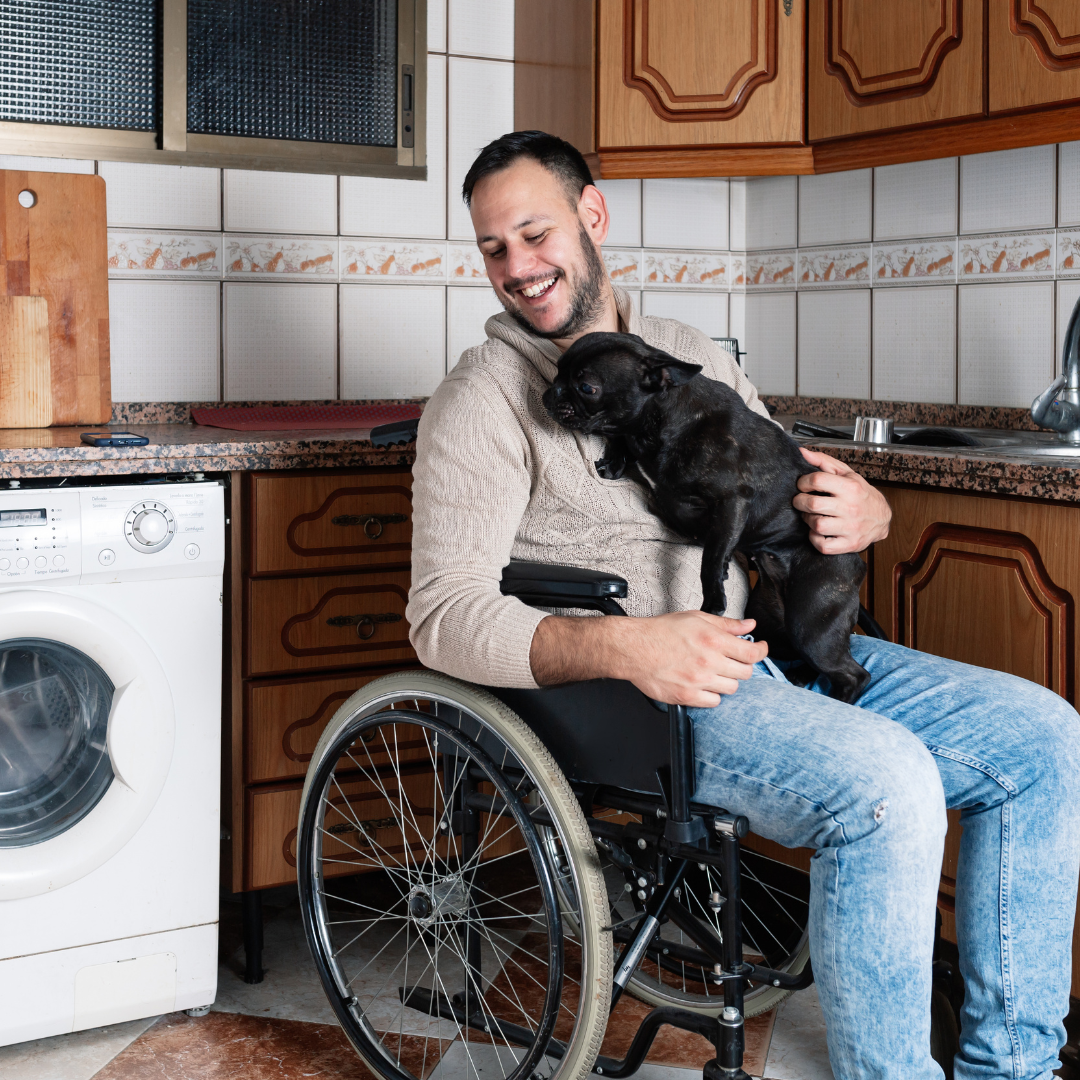
For the last 30 years, you were the one who planned meals, had the weekly list of therapy appointments and reminders written down and knew what outfits he preferred to wear, what he liked to have for lunch and what would annoy him.
Now you're driving over to visit him for the first time, and you don't want to hover, but you also don't want to feel irrelevant.
You're both figuring out new roles. Your's is still involved, still caring, just not the default manager of daily life. His world is changing and he is gaining the independence you were once planning and hoping for.
For many families, that's one of the biggest shifts moving from the family home to supported independent living (SIL), not losing connection, but changing what support looks like and how it fits into their day to day life when you're not there.
If you're considering SIL, it can help to understand what day to day life actually looks like, what changes after the move, and what stays reassuringly familiar.
First, let's take a look at how housemates are matched.
IMPORTANT UPDATE: Looking for the latest NDIS changes?
This article explains Supported Independent Living more generally. For the latest announcements and what they may mean for participants, applicants and families, read our updated blog here or visit ndis.gov.au.
🏠 How housemates are matched and what happens if it doesn't work...
Finding the right housemates isn't about ticking boxes it's about human compatibility. At BCD, we focus on connection, shared interests and everyday rhythms, not just support needs.
Sometimes matching starts with something simple, like a meet-and-greet over a cuppa and cake. Other times it might be a day out together to see if there's natural conversation and shared enjoyment, or meeting through an activity or hobby you both enjoy. These moments help us see how people relate to one another in real life.
And if a match doesn't feel right? That's okay. Not every connection works and we plan for that.
We check in, listen, and work with everyone involved to make changes where needed.
Feeling safe, comfortable and at home matters, and we take that seriously.
Because a home should feel like your place, with people you genuinely connect with
To learn more about SIL, you can read our latest guide here, explore our BCD accomodation or call our BCD care team on 1800 275 223 or contact us online through our contact page.
A day in the life of someone living in SIL
A typical day in our BCD SIL homes, doesn't look the same for everyone - because the whole point is that each person has different goals, routines, support needs, and preferences. But if you're trying to picture what 'life in SIL' actually feels like, it often looks a lot more ordinary than people expect.
Morning: routines, choice, and getting the day started
Most mornings start the same way any household does alarms, breakfast, showers, and everyone doing their own version of 'getting ready'.
Getting ready is also about preparing for a normal day of life, heading to work, study, training, or a day program, just like anyone else.

That might mean checking what time transport is arriving, making sure a uniform or ID is packed, grabbing a laptop or workbook, or talking through the plan for the day ahead. For some people, it's a quick routine they've mastered. For others, it's having someone alongside them to help break the morning into manageable steps.
The aim is always the same, to support people to leave the house feeling confident, orgainsed and ready, not rushed or overwhelmed. Because whether it's work, TAFE, volunteering or a day program, mornings in a supported home are about helping people step into their day with the same purpose and independence as anyone else.
Mid-morning to afternoon: heading out and about
During the day, there may be a schedule of appointments, therapy sessions, visiting friends and family, going to the shops or exploring the local library, parks and somewhere new.
Sometimes, their care circle support worker helps to map out how to get to places and travel with them.
For others, travelling independently is a goal. In these moments, support is less about being there in person and more about preparation and confidence-building, talking through routes, practising transport, problem-solving and celebrating small wins that build independence over time.
And sometimes, where you are on your life journey means your world is closer to home. Support might focus on simple routines and everyday joys at home, like cooking a meal together, tending a small garden, enjoying music, reading, moving safely around the home or sitting outside in the sunshine. These moments matter. They help build capacity, maintain mobility and support quality of life, while respecting what feels right for the person at that time.
Because meaningful days aren't defined by how far you travel, they're defined by feeling safe, connected and supported, wherever you are.
Evening: Dinner time and feeling at home
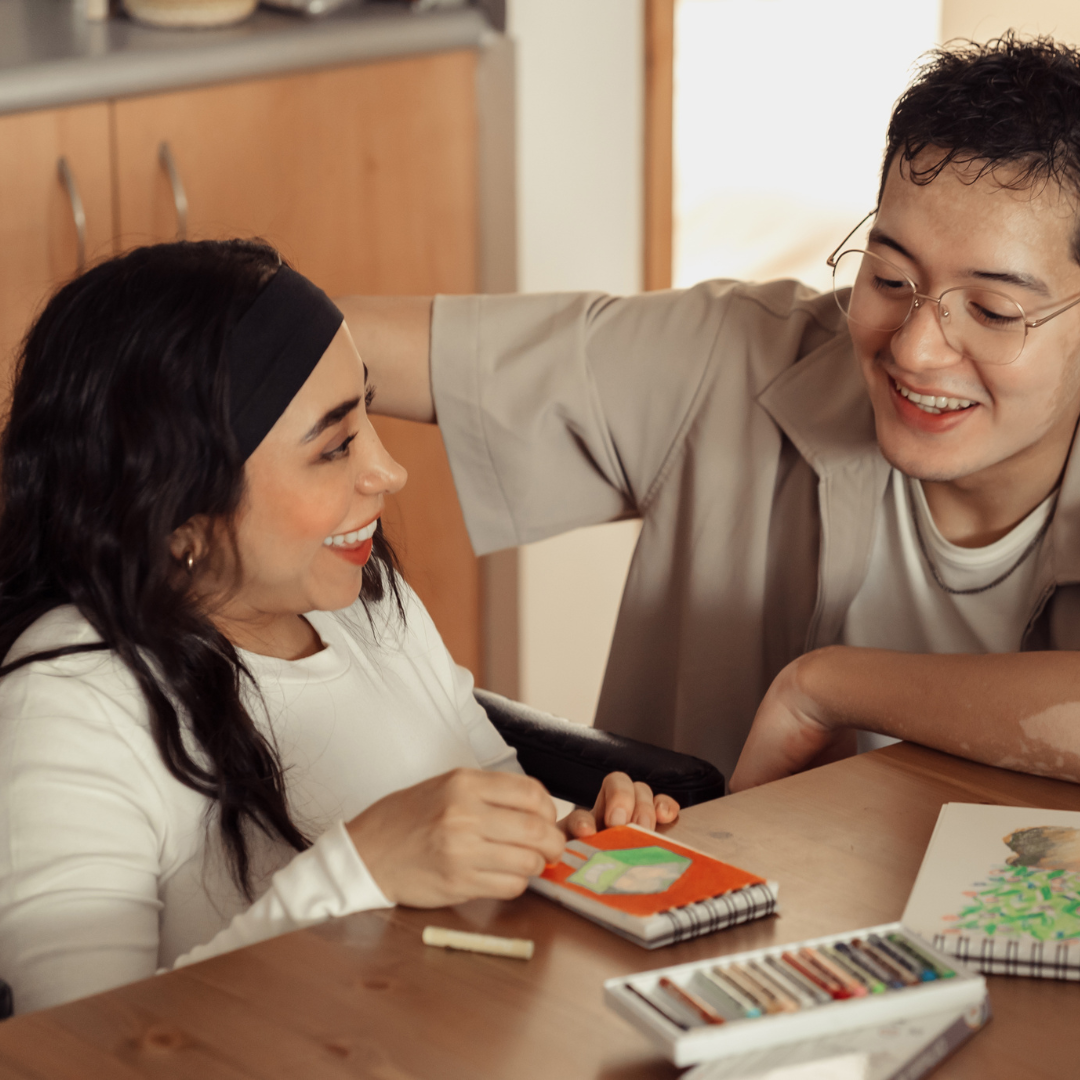
When everyone's home again, it's time to unwind for the day. This is where having a good match of housemates is important and it's the top question that is asked and the top concern when considering SIL for their loved ones.
In our home, perhaps someone wants to play music. Someone else is reading and needs quiet. Someone is hungry now, someone later. You might have a house routine for chores, meal planning, or shopping, but it will rarely be the same for each household.
This is also where you see what 'supported independence' really means.
Perhaps for dinner, a housemate might cook with support, anything from 'I can do it but I need some help with these bits' to 'I'll do the steps if you help me plan and shop'. Someone else might be working on budgeting, hanging out the washing, or catching up with friends.
Dinner might be cooked together, separately depending on preferences and goals. Some households have planned meal nights, others keep it flexible.
The key is that what independence looks like for each person is different.
A big part of feeling 'at home' is having private time and personal space respected, alongside the support needed to stay safe and well.
Overnight: safety and support
Supported Independent Living also means peace of mind, day and night. You're never left alone, there is always someone in the home to oversee things and respond if a need, concern or worry comes up, including overnight.
For some households this might be active overnight support, with staff awake and available. For others, it may be sleepover or on-call support, depending on the needs of the people living there and how the home is set up.
What matters is that support is close by, responsive and tailored, so people feel safe, reassured and supported at all times, especially when the house is quiet and the day winds down.
BCD always has a house team member in the home at all times.
The big picture: independence doesn't mean doing everything alone
Supported independent living often looks like choice, routine, dignity, and growth over time.
It can include learning skills, building confidence, and having support that's responsive, stepping in when needed and stepping back when it's not.
And for families, this is often the most reassuring part. Even without them, their loved one is still living in their own safe and supportive home.
Understanding daily life in supported independent living can ease your concerns and help you feel more confident about the transition for your loved one.
Families, carers, or partners often worry about things like:
The fear that their loved one will feel isolated or lonely in a new unfamiliar home.
Concerns about the quality of care and support available in SIL settings.
Worrying that their loved one may struggle to adapt to living with housemates.
Anxiety about losing control over their loved one's daily routines and decisions.
Doubts about whether the right supports will be in place to promote independence and keep them safe.
A few common misconceptions to clear up:
“Moving into an unfamiliar home will increase stress and anxiety"
It's completely understandable to worry that moving into a new house with new people, new routines and a new environment could increase stress and anxiety. For many people, change can feel unsettling at first without their usual routines.
That's why the move into SIL shouldn't feel sudden or 'thrown in the deep end. A good transition is planned carefully, paced to the person, and built around what helps them feel calm and secure things like familiar routines, consistent support workers, clear communication, and time to adjust.
This is where our Senior Care Worker model plays a key role. The Senior Care Worker helps wrap a village of care around the person, so they're not navigating change alone. That village can include the house team, allied health, community supports, and with the participant's consent family members who remain a core part of the person's life and support network.
Families can help share what works (and what doesn't), what routines matter, and what early signs of stress look like, so the team can respond early and gently.
2. “They'll be in their bedroom all day because they don't get along with other housemates.”
This is a very real worry and it makes sense. Shared living can be tricky for anyone, and families often picture their loved one withdrawing, spending all day in their room, or feeling stuck in a home that doesn't suit them.
Matching housemates as with any shared living situation is not always perfect. Compatibility is important, but challenges can arise. How the challenges are addressed by your provider is key.
A good provider takes a person-centred approach to matching, looking at things like routines, support needs, preferences, communication styles, and what helps each person feel safe at home. And if issues arise, there should be a clear, respectful way to address them early before they become entrenched.
3. “Independence means doing everything alone”
Independence doesn't mean cooking every meal solo, managing every appointment, or never needing help again. Real independence is having the right support in place so you can build skills and confidence at your own pace, without being overwhelmed.
This is another place where the Senior Care Worker model makes a difference. It helps keep the focus on what matters most. When support is built around the person, independence is about living with dignity, choice, and steady growth.
Real lives, real stories at BCD
For Wayne, one of BCD's SIL customers, change didn't come easily. The idea of leaving the only home he'd ever known was overwhelming. It took nine months of small steps, patient conversations, and gentle encouragement for him to begin to feel comfortable with the idea of Supported Independent Living. At first, the thought of a new environment made Wayne anxious.
Would it feel too unfamiliar? Would he feel lonely?
But slowly, those worries began to soften. He started to see the possibilities, having a space of his own, making choices for himself, even sharing a home with a new roommate who could become a friend. And then, the day came when Wayne opened the door to his new BCD home. It wasn't just a house, it was a fresh chapter. He could decorate his room, set his own routines, and most importantly, feel safe knowing he had a caring team around him, ready to support but also encourage his independence.
Today, Wayne is flourishing. He's building confidence, setting goals, and finding joy in the simple moments of daily life things that once felt out of reach.
His sister Karen shares with teary eyes and pride, saying "mum would be so proud of his growth".
📝 What good practice looks like
Good support should feel like:
Creating a welcoming and inclusive environment.
Respecting individual preferences and routines.
Encouraging independence while providing necessary support.
Fostering open communication between housemates and staff.
Regularly reviewing and adjusting support plans as needed.
Issues are flagged and addressed.
What to watch for (red flags):
Inconsistent communication from support staff or management.
Lack of responsiveness to concerns raised by family members.
Unclear or changing routines that cause confusion for residents.
Housemates displaying significant conflict without resolution efforts.
Limited opportunities for housemates to express their preferences or needs.
It's important to stay informed and proactive as you explore SIL options. Understanding potential challenges can help you ask the right questions and ensure a supportive environment for your loved one.
Practical tips (and questions to ask)
If you're exploring what life in supported independent living (SIL) can look like, from day-to-day routines to independence, these steps can help:
Visit an open home or book a tour to have a look at the size and space available.
Ask about the process for matching housemates and how compatibility is assessed.
Ask about the support teams' experience and training in working with diverse needs.
Understand the communication channels for raising concerns or feedback after the move.
Questions you can ask
How are housemates matched, and what is the process for addressing any issues?
How often will we have check-ins to discuss progress and any concerns?
Can you provide examples of daily activities and routines in the home?
What does overnight support look like (if relevant)?
What safety and security measures are in place?
Need Help?
Got a question? We've collected some of the most common questions we hear on our FAQs page.
If you're feeling overwhelmed, you don't have to work this out alone. A BCD team member can walk you through what to do if you are thinking about home and living supports or want to learn more about the supports we provide. Call 1800 275 223 to speak to our BCD care team today or contact us online.
Our Respite, Short-term Accommodation and Supported Independent Living give families a much-needed break while helping live more independently and feel connected to a supportive community. Read more about our flexible accommodation options.
Disclaimer
The information provided in this blog post is for informational purposes only and should not be considered as legal, financial, or professional advice. While we strive to ensure the accuracy of the content, we encourage you to visit the relevant government websites for the most up-to-date and official information.